
The fastest growing cities for startups in 2026 show where startup momentum is accelerating at the city level, from the world’s largest hubs to cities climbing the global rankings. This is the companion to our ranking of the fastest growing countries for startups in 2026, turning the same question from nations to the cities driving them.
The analysis is based on the StartupBlink Global Startup Ecosystem Index 2026, which scores more than 1,500 cities across 120 countries. Each ecosystem is measured across 40+ parameters, including total startup funding, number of startups, and business conditions.
Growth is not concentrated in one type of city. Some of the strongest momentum came from global hubs growing at scale, while cities further down the rankings posted larger percentage gains as their ecosystem scores increased. This is a ranking of startup momentum, not startup size.
How to Read These Rankings
Annual Ecosystem Growth measures the percentage increase in each city’s total startup ecosystem score from April 2025 to April 2026. It is the ecosystem competing against its own previous performance, not directly against every other city.
For context, the global startup ecosystem grew by an average of 10.3% over the same period. Every city highlighted here grew far faster than that benchmark, though what a given percentage means depends heavily on the ecosystem’s size.
Growth and scale should be read together. A +25% gain in a city with a high total score can represent substantial absolute growth, while several hundred percent growth in a city with a low total score may reflect movement from a low base. Rank change tells the same story from another angle, showing how far a city moved against every other ecosystem in the Index.
For that reason, this article groups cities by their position in the global rankings: the Global Top 20, cities ranked 21-100, and cities ranked 101-200.
For the full methodology, complete city and country rankings, and ecosystem insights, see the full 2026 report.
Fastest Growing Cities for Startups in the Global Top 20
Among the world’s 20 highest-ranked startup ecosystems, Singapore City recorded the strongest annual growth and entered the Global Top 10 for the first time. Growth here is hard-won, because these cities already operate from very high ecosystem scores.
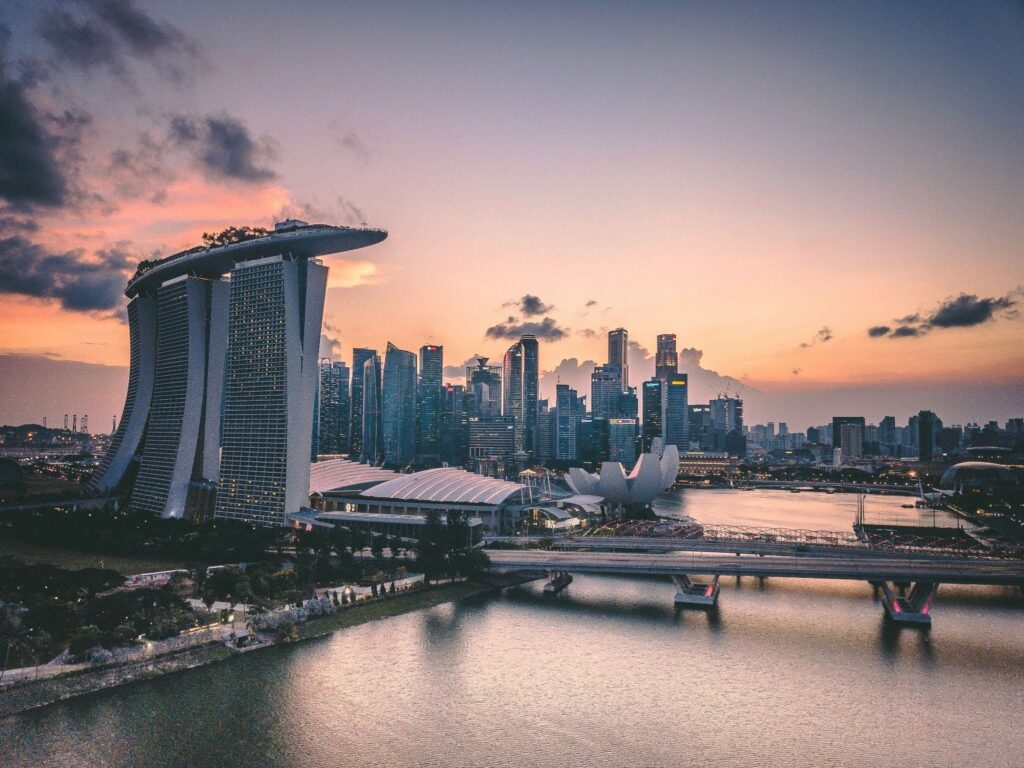
Singapore City, Singapore (+26.7%) Singapore City climbed 2 places to 10th, entering the Global Top 10 for the first time. It was the fastest growing city in the Global Top 20 and the only Southeast Asian city in that group.
Austin, United States (+25.6%) Austin climbed 2 places to 14th, the fastest growing US city in the Global Top 20 and the only US city in that group to grow by more than 20%.
New Delhi, India (+22.0%) New Delhi held 11th place, remaining India’s highest-ranked city in the Index and the fastest growing Indian city in the Global Top 20. Bangalore, 12th, declined by -0.7% over the same period.
Chicago, United States (+16.5%) Chicago climbed 2 places to 17th, the second-fastest growing US city in the Global Top 20 after Austin.
New York, United States (+11.6%) New York held 2nd place globally. Its +11.6% looks modest next to Singapore City’s +26.7%, but it comes off a score of 352.159, higher than the other four fastest growers combined (277.662).
Growth in this group is uneven. Singapore City and New York were the only cities in the Global Top 10 to post clear double-digit gains, while Boston Area, Beijing, Shanghai, and Paris all recorded negative growth. No European city in the Global Top 20 grew by more than 5.5%.
Fastest Growing Cities for Startups Ranked 21-100
This is where the sharpest movement among major startup cities took place in 2026, with several cities gaining more than 15 places in a single edition.
Riyadh, Saudi Arabia (+117.6%) Riyadh climbed 30 places to 42nd, the largest rank gain of any city in the Global Top 50. It is the only city in the entire Global Top 100 to grow by more than 100%, at more than eleven times the global average, and the only Saudi Arabian city in the Global Top 200.
Ahmedabad, India (+64.3%) Ahmedabad climbed 43 places to 89th, the largest rank climb of any city in the Global Top 100. It grew faster than any other Indian city in the Top 100, including New Delhi, Hyderabad, and Pune.
Taipei Tech Corridor, Taiwan (+55.7%) Taipei Tech Corridor climbed 15 places to 39th. It was the fastest growing city in East Asia’s Top 50, and the only one in that group to grow by more than 10%.
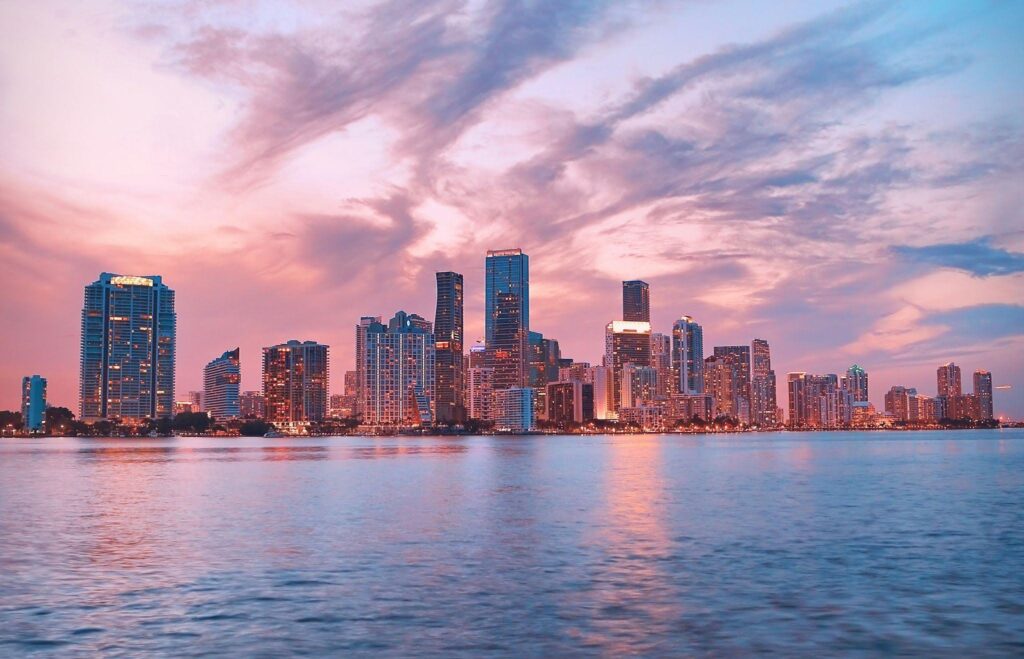
Miami Area, United States (+41.8%) Miami climbed 6 places to 22nd, making it the fastest growing city in the Global Top 30. No higher-ranked city anywhere in the Index grew by more than 40%.
Pune, India (+41.2%) Pune climbed 17 places to 62nd, widening its lead over Chennai as India’s fifth highest-ranked city in the Index.
India takes two of the five spots through Ahmedabad and Pune, with Hyderabad (+37.9%) and Chennai (+32.7%) following close behind. The United States shows similar depth just outside the top five, with New Haven (+40.8%), Las Vegas (+36.8%), and Boise (+35.4%) all posting strong gains, while Melbourne (+37.8%) and Istanbul (+28.2%) extend the group’s reach across Oceania and the Middle East.
Fastest Growing Cities for Startups Ranked 101-200
Cities in the 101-200 range recorded the largest percentage gains and the largest rank climbs in the Index.
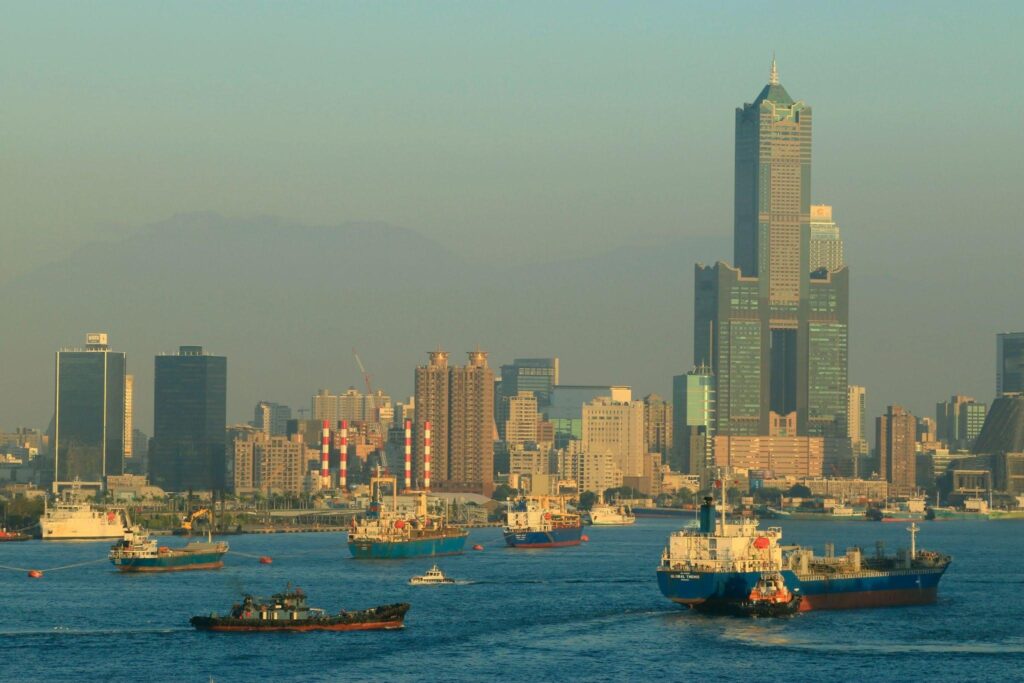
Tainan-Kaohsiung Area, Taiwan (+473.7%) Tainan-Kaohsiung Area climbed 257 places to 194th, the largest rank climb of any city in the Global Top 200. Together with Taipei Tech Corridor, it gives Taiwan a fast-growing city in two separate ranking groups.
Uppsala, Sweden (+397.7%) Uppsala climbed 196 places to 148th, growing while Stockholm, Sweden’s highest-ranked city, grew by 2.0%. The 2026 Index now includes all exit acquisition prices, capturing the US$21 billion acquisition of Cytiva for the first time, so Uppsala’s jump reflects a methodology change rather than purely organic growth.
Chandigarh, India (+168.9%) Chandigarh climbed 94 places to 163rd, one of three Indian cities in the Global Top 200 to grow by more than 90%.
Surat, India (+162.9%) Surat climbed 105 places to 193rd, extending India’s growth into a third ranking group alongside Chandigarh.
Sheridan, United States (+138.9%) Sheridan climbed 78 places to 187th, the largest rank gain of any US city in the Global Top 200.
Percentages in this range should be read against total score. These cities have lower total scores than those in the groups above, so a single funding round, exit, or data update can multiply a city’s result.
Conclusion
The fastest growing cities for startups in 2026 show how quickly the global startup map is changing, and that no single growth ranking can tell the whole story.
Growth means something different at each level of the rankings. At the top, it is incremental and hard-won on a large base, and positions barely move: New York and New Delhi both grew by double digits without changing rank. Between 21 and 100, growth translates directly into climbing, with Riyadh gaining 30 places and Ahmedabad 43. Between 101 and 200, the largest percentages appear alongside the largest rank climbs, with Tainan-Kaohsiung Area moving 257 places in a single edition.
Growth is also geographically distributed. The cities above span the Middle East, Southeast Asia, North America, South Asia, East Asia, and Europe. Singapore City, Riyadh, and Miami stand out because they pair rapid growth with a strong global ranking.
For founders, investors, accelerators, and policymakers, the next major opportunities may come not from today’s top-ranked cities, but from those climbing the fastest. The country-level view completes the picture: see which nations are rising alongside these cities in our companion ranking of the fastest growing countries for startups in 2026.
For complete rankings, insights, and data on more than 1,500 ecosystems worldwide: