
North America may include only two countries in StartupBlink’s regional ranking, but it is home to some of the world’s most influential startup ecosystems. In 2026, 259 cities from the region made the global top 1,000. San Francisco Bay leads the continent (and the world), followed by New York, Los Angeles, and Boston. Using total ecosystem scores from StartupBlink’s Global Startup Ecosystem Index 2026, this article ranks North America’s top startup cities.
All 20 cities ranked here are among the world’s top 50 startup ecosystems. The United States accounts for 17 cities, while Canada contributes Toronto, Vancouver, and Montreal.
In 2026, Austin entered the regional top five while Miami joined the top 10. Houston entered the regional top 20, and Toronto returns to the global top 20. San Francisco Bay remains the world’s leading startup city by a large margin.
Want to explore rankings beyond the top 20?
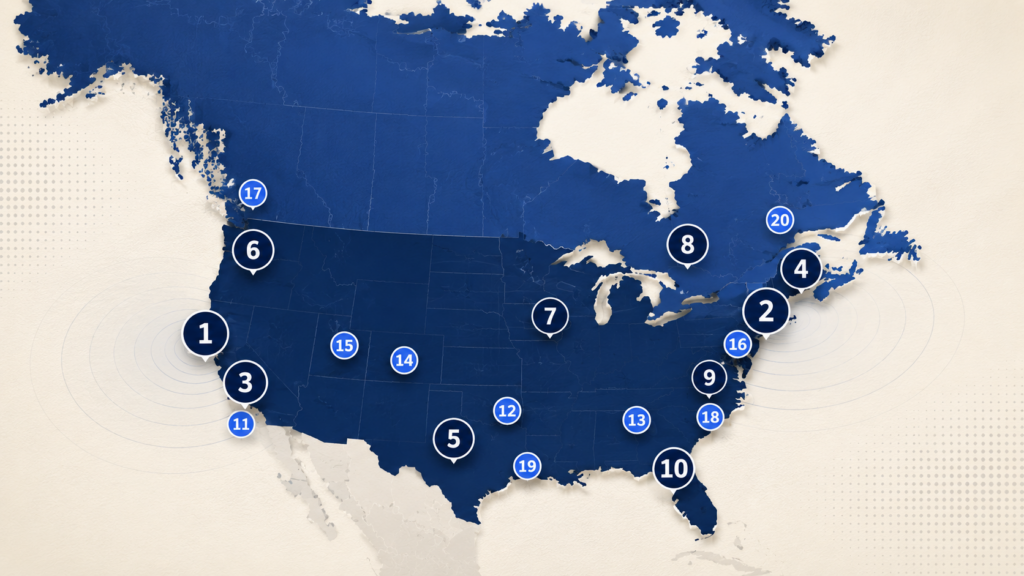
North America’s Startup Ecosystem in 2026
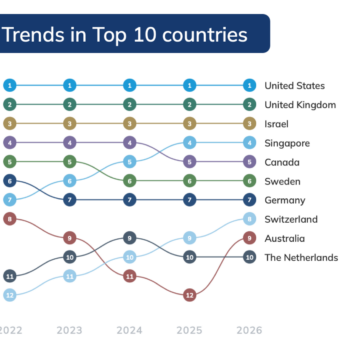
The United States ranks first in the global ranking of the best countries for startups, with 23.6% growth. Canada ranks fifth with 9% growth. The US now scores 6.3 times more than Canada, compared with 5.6 times in 2024. The figures suggest that North America’s startup strength is becoming increasingly concentrated in the United States.
The difference in scale is even wider elsewhere. The US has an ecosystem value of US$9.1 trillion, 620 unicorns, and 226 cities in the global top 1,000. Canada has an ecosystem value of US$361.8 billion, 22 unicorns, and 33 cities in the top 1,000. Therefore, while Canada remains a major global startup hub, North America’s ecosystem value and high-growth companies are overwhelmingly concentrated in the United States.
For a wider view, explore the best cities for startups and entrepreneurs in the world. You can also compare North America with the best startup ecosystems in Europe and the leading startup ecosystems in Asia Pacific.
Top Startup Cities in North America: Key Findings
North America’s startup strength remains concentrated at the top and heavily represented across the global ranking. The top 4 – San Francisco Bay, New York, Los Angeles, and Boston – account for 71% of the combined score of the top 20 and hold four of the five highest positions worldwide. The region places 21 cities in the global top 50 overall.
The fastest ecosystem growth is happening further down the ranking. The top four grew by an average of 7.4%, while cities ranked fifth to 20th grew by 16%. Austin, Miami, Atlanta, Salt Lake City, and Houston led this group, each expanding by more than 20%. The pattern of growth reversed this year. In 2025, the top four cities grew by an average of 19.2%, faster than the 14.4% averaged by the cities ranked below them.
Growth alone was not enough for all cities to maintain their positions. All six cities that moved down the ranking still recorded positive growth, averaging 7.7%. In contrast, the four cities that moved up grew by an average of 28.4%. Positions are particularly close between sixth and tenth place. Seattle’s score is only 18% higher than Miami’s, with Chicago, Toronto, and Washington, DC ranked between them.
The composition of the list also changed. Houston entered the top 20 for the first time, taking the position Minneapolis held in 2025. Houston and Miami each climbed six places globally, the largest gains in the group, while Vancouver fell four places, the largest rank decline among cities that remained in the top 20.
Top 20 Best Startup Cities in North America
| NA Rank | City | Country | Global Rank | Total Score | Annual Ecosystem Growth |
|---|---|---|---|---|---|
| 1— | San Francisco Bay | USA | 1— | 935.325 | +9.7% |
| 2— | New York | USA | 2— | 352.159 | +11.6% |
| 3— | Los Angeles Area | USA | 4— | 152.371 | +9.5% |
| 4— | Boston Area | USA | 5▲1 | 127.119 | -1.1% |
| 5▲1 | Austin | USA | 14▲2 | 64.342 | +25.6% |
| 6▼1 | Seattle | USA | 16▼1 | 58.265 | +0.8% |
| 7— | Chicago | USA | 17▲2 | 55.975 | +16.5% |
| 8— | Toronto Area | Canada | 18▲3 | 53.200 | +10.9% |
| 9— | Washington DC Area | USA | 21▲1 | 51.117 | +14.6% |
| 10▲2 | Miami Area | USA | 22▲6 | 49.473 | +41.8% |
| 11▼1 | San Diego | USA | 23▲2 | 46.217 | +13.6% |
| 12▼1 | Dallas-Fort Worth | USA | 28▼1 | 40.629 | +14.4% |
| 13— | Atlanta | USA | 29▲3 | 38.454 | +22.1% |
| 14— | Denver | USA | 31▲4 | 33.062 | +13.8% |
| 15▲2 | Salt Lake City | USA | 36▲4 | 28.710 | +21.6% |
| 16▼1 | Philadelphia | USA | 38— | 28.080 | +8.1% |
| 17▼1 | Vancouver | Canada | 43▼4 | 25.419 | +1.6% |
| 18— | Raleigh Durham | USA | 44▲1 | 24.157 | +18.1% |
| 19▲2 | Houston | USA | 46▲6 | 22.735 | +24.4% |
| 20▼1 | Montreal | Canada | 49▼3 | 21.650 | +7.6% |
1. San Francisco Bay, United States
North America rank: 1 • Global rank: 1 • Total score: 935.325 • Annual ecosystem growth: +9.7%
San Francisco Bay remains the leading startup city in North America and the world. It has held first place since StartupBlink launched the Index, and its lead remains wide.
It accounts for more than 42% of the top 20’s combined score, and its score is 2.7 times New York’s. San Francisco added 82.7 points this year, more than double New York’s gain and more than the total score of any city ranked fifth or below. The distance between the region’s two leading ecosystems continues to widen.
2. New York, United States
North America rank: 2 • Global rank: 2 • Total score: 352.159 • Annual ecosystem growth: +11.6%
New York remains the second-ranked startup ecosystem in both North America and the world. Its 11.6% ecosystem growth was the strongest among the region’s top three cities.
It also holds a distinct position between San Francisco and the cities below it. San Francisco’s score is 2.7 times higher than New York’s, while New York’s score is 2.3 times higher than Los Angeles’.
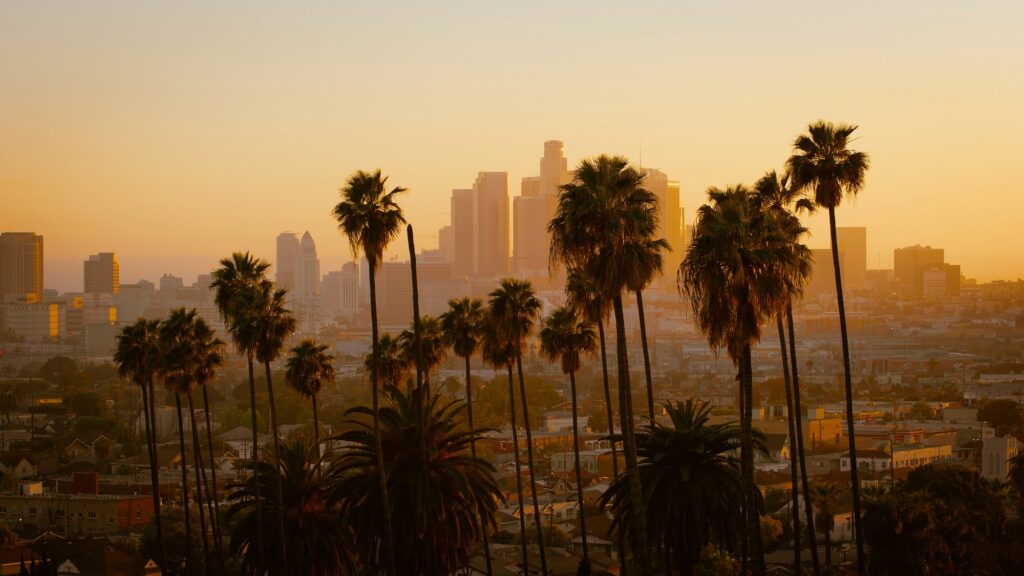
3. Los Angeles Area, United States
North America rank: 3 • Global rank: 4 • Total score: 152.371 • Annual ecosystem growth: +9.5%
The Los Angeles Area remains North America’s third-ranked startup city and ranks fourth globally.
It scores about 20% more than Boston. Together, the two cities form a clear third tier, well behind New York and well ahead of Austin and the cities below.
4. Boston Area, United States
North America rank: 4 • Global rank: 5 (▲1) • Total score: 127.119 • Annual ecosystem growth: -1.1%
The Boston Area remains fourth in North America and moves from sixth to fifth globally, gaining a global place even as its score fell by 1.1%.
It was the only city in the regional top 20 to record negative ecosystem growth. Despite this, its scale still gives it a clear position at #4, with a score almost twice Austin’s.
5. Austin, United States
North America rank: 5 (▲1) • Global rank: 14 (▲2) • Total score: 64.342 • Annual ecosystem growth: +25.6%
Austin moves up one place to enter North America’s top five for the first time. It also advances two global positions to 14th.
Its 25.6% ecosystem growth is the fastest among the region’s five leading cities. That was enough to move Austin past Seattle, reversing an 11% deficit from last year into a 10% lead. The next step up is much larger: Boston’s score is almost twice Austin’s, and eight cities from outside the region sit between them globally.
6. Seattle, United States
North America rank: 6 (▼1) • Global rank: 16 (▼1) • Total score: 58.265 • Annual ecosystem growth: +0.8%
Seattle moves from fifth to sixth in North America and from 15th to 16th globally as Austin moves ahead. Its 0.8% ecosystem growth is the slowest positive rate in the top 20, down from 11% last year.
It now sits outside the US top five for the first time since 2020. Its lead over Chicago has narrowed from 20% to 4% in a single year, placing it at the top of a close group that extends through Miami.
7. Chicago, United States
North America rank: 7 • Global rank: 17 (▲2) • Total score: 55.975 • Annual ecosystem growth: +16.5%
Chicago holds seventh place in North America and advances two spots to 17th globally.
Its 16.5% ecosystem growth marks renewed momentum after several slower years. Chicago now scores 4% less than Seattle and 5% more than Toronto, with the three cities ranked consecutively at 16th, 17th, and 18th globally as well.
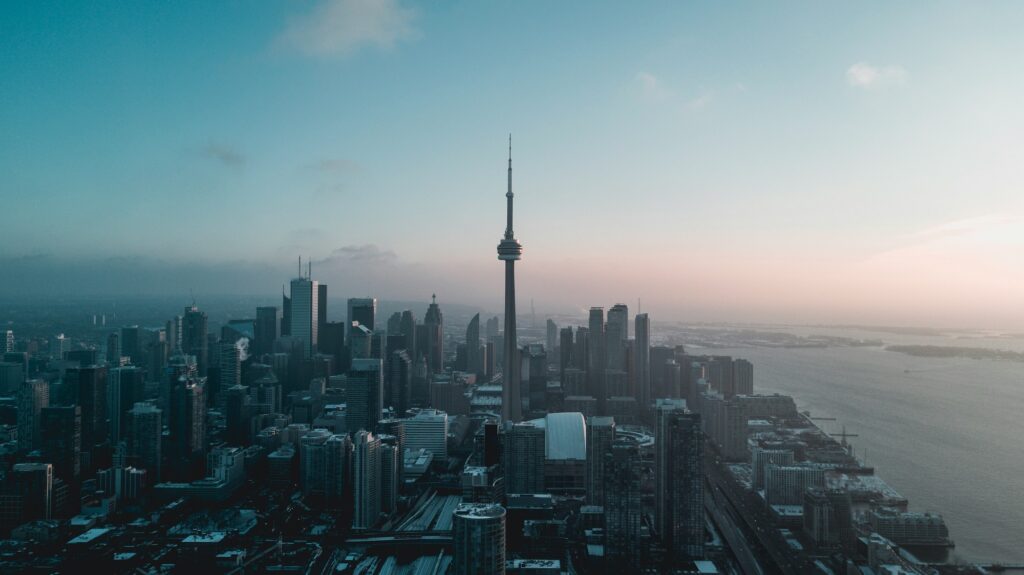
8. Toronto Area, Canada
North America rank: 8 • Global rank: 18 (▲3) • Total score: 53.200 • Annual ecosystem growth: +10.9%
The Toronto Area remains eighth in North America and advances three global positions to 18th. It returns to the global top 20 for the first time in six years.
It now drives much of Canada’s leading-city momentum. Its national share rose to 32.2%, larger than Vancouver’s and Montreal’s combined, and it was the only Canadian city in the group to gain global ground this year. Its ecosystem growth rate is nearly seven times Vancouver’s.
9. Washington DC Area, United States
North America rank: 9 • Global rank: 21 (▲1) • Total score: 51.117 • Annual ecosystem growth: +14.6%
The Washington DC Area holds ninth place for a second year and advances one global position to 21st.
Its 14.6% ecosystem growth keeps it close to the cities around it. Washington DC scores 4% less than Toronto and only 3% more than Miami.
10. Miami Area, United States
North America rank: 10 (▲2) • Global rank: 22 (▲6) • Total score: 49.473 • Annual ecosystem growth: +41.8%
The Miami Area moves up two places to enter the North American top 10 and advances six global positions to 22nd, one of the two largest global gains in the group.
Its 41.8% ecosystem growth is the fastest among North America’s top 20 cities and among all cities in the global top 30. After 28.5% in 2025, it is also a second consecutive year of rapid expansion, bringing it to just 3% behind Washington DC in total score.
11. San Diego, United States
North America rank: 11 (▼1) • Global rank: 23 (▲2) • Total score: 46.217 • Annual ecosystem growth: +13.6%
San Diego moves from tenth to 11th as Miami advances from below it. It still records solid growth and moves two places higher globally to 23rd.
Its result shows how competitive the region has become: double-digit growth was not enough to hold its regional position. San Diego still scores 14% more than Dallas-Fort Worth.
12. Dallas-Fort Worth, United States
North America rank: 12 (▼1) • Global rank: 28 (▼1) • Total score: 40.629 • Annual ecosystem growth: +14.4%
Dallas-Fort Worth grows by 14.4% but moves from 11th to 12th in North America and from 27th to 28th globally as Miami advances.
It leads Atlanta by only 6%, and with Atlanta growing faster, that distance has narrowed. The two cities are also ranked consecutively worldwide, at 28th and 29th.
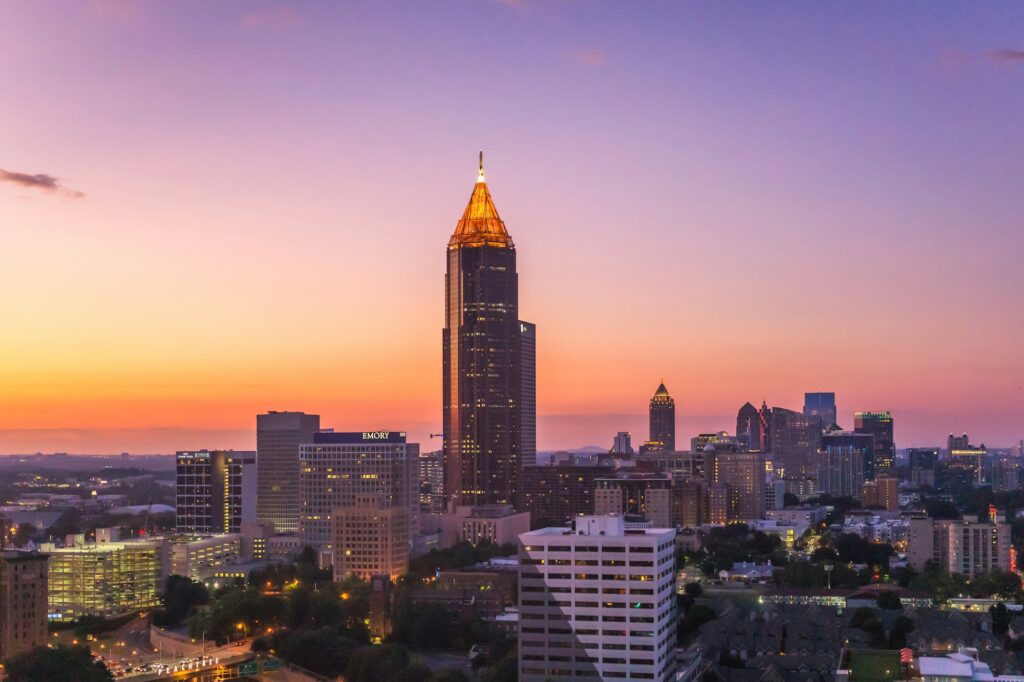
13. Atlanta, United States
North America rank: 13 • Global rank: 29 (▲3) • Total score: 38.454 • Annual ecosystem growth: +22.1%
Atlanta remains 13th in North America for a second year while advancing three global positions to 29th.
Its 22.1% ecosystem growth is one of the strongest in the regional top 20. Atlanta now sits 6% behind Dallas-Fort Worth and 16% ahead of Denver.
14. Denver, United States
North America rank: 14 • Global rank: 31 (▲4) • Total score: 33.062 • Annual ecosystem growth: +13.8%
Denver holds 14th place in North America for a second year while advancing four global positions to 31st, one of the larger global gains in the group.
Growth of 13.8% was enough to move ahead of cities outside the region without changing Denver’s standing inside it. The city sits apart from its regional neighbours, 16% behind Atlanta and 15% ahead of Salt Lake City, with five global places separating it from Salt Lake City.
15. Salt Lake City, United States
North America rank: 15 (▲2) • Global rank: 36 (▲4) • Total score: 28.710 • Annual ecosystem growth: +21.6%
Salt Lake City moves up two regional places and four global positions to 36th.
Its 21.6% ecosystem growth took it ahead of Philadelphia and Vancouver. Its new position remains close: Salt Lake City leads Philadelphia by only 2%, the smallest gap between any two cities inside the top 20.
16. Philadelphia, United States
North America rank: 16 (▼1) • Global rank: 38 • Total score: 28.080 • Annual ecosystem growth: +8.1%
Philadelphia moves from 15th to 16th in North America while holding 38th globally, the only city in the regional top 20 whose global rank did not change.
Its 8.1% ecosystem growth left it almost exactly level with the global field. Philadelphia sits 2% behind Salt Lake City and 10% ahead of Vancouver.
17. Vancouver, Canada
North America rank: 17 (▼1) • Global rank: 43 (▼4) • Total score: 25.419 • Annual ecosystem growth: +1.6%
Vancouver moves from 16th to 17th in North America and from 39th to 43rd globally, the largest global rank decline among cities that remained in the regional top 20.
Its 1.6% ecosystem growth follows 22.1% last year, the steepest growth slowdown in the group. Vancouver remains Canada’s second-ranked startup city and scores 17% more than Montreal, although its national share fell from 16% to 15.4%.
18. Raleigh Durham, United States
North America rank: 18 • Global rank: 44 (▲1) • Total score: 24.157 • Annual ecosystem growth: +18.1%
Raleigh Durham holds 18th place in North America and advances one global position to 44th.
Its 18.1% ecosystem growth is a full reversal: Raleigh Durham was the only city in last year’s regional top 20 to record negative ecosystem growth, at -0.1%. It now sits 5% behind Vancouver and 6% ahead of Houston, within a close group near the end of the top 20.
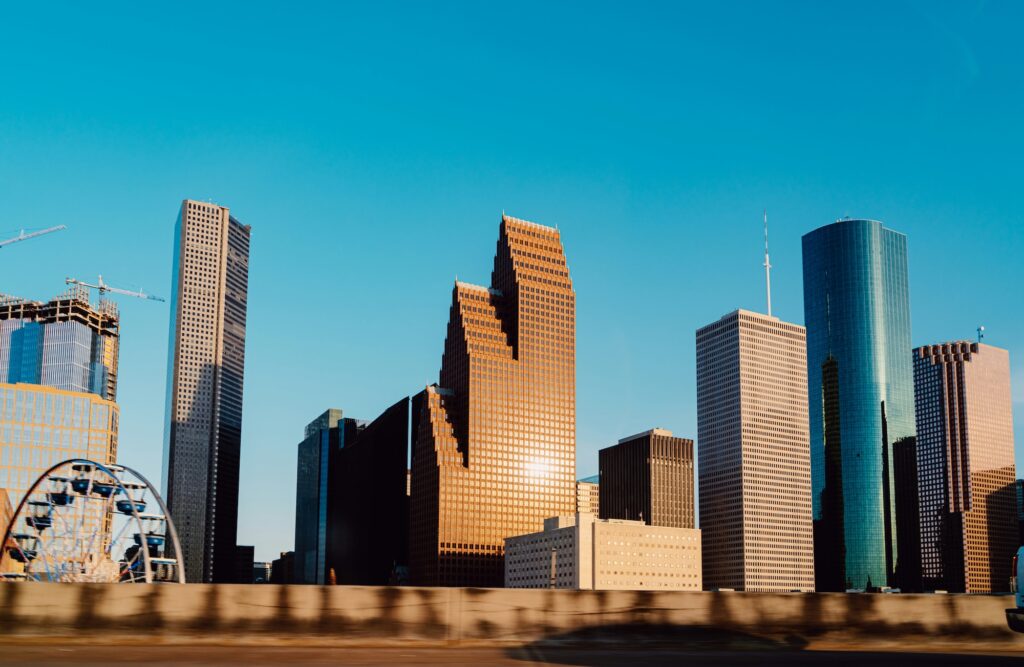
19. Houston, United States
North America rank: 19 (▲2) • Global rank: 46 (▲6) • Total score: 22.735 • Annual ecosystem growth: +24.4%
Houston moves up two regional places to enter the North American top 20, taking the position Minneapolis held in 2025. It also advances six global positions to 46th, matching Miami for the largest global gain in the group.
Its 24.4% ecosystem growth is one of the strongest rates in the regional top 20. The city now sits 6% behind Raleigh Durham and 5% ahead of Montreal.
20. Montreal, Canada
North America rank: 20 (▼1) • Global rank: 49 (▼3) • Total score: 21.650 • Annual ecosystem growth: +7.6%
Montreal completes the North American top 20 and holds 49th globally, down three places and one position from the edge of the global top 50.
It grew faster than Vancouver, narrowing the distance between Canada’s second and third cities, and remains less than 2% ahead of Phoenix at the top-20 boundary.
Beyond the Top 20
Phoenix, United States
North America rank: 21 (▲1) • Global rank: 50 (▲3) • Total score: 21.246 • Annual ecosystem growth: +18.5%
Phoenix narrowly misses the regional top 20 while entering the global top 50, moving up one regional place and three global positions to 50th.
Its 18.5% ecosystem growth brings it within less than 2% of the total score difference from Montreal, making 20th one of the narrowest gaps in the ranking.
Kingston, Canada
North America rank: 59 (▼2) • Global rank: 175 (▲3) • Total score: 4.625 • Annual ecosystem growth: +19.1%
Kingston joins Toronto, Vancouver, and Montreal as Canada’s fourth entry in this article as the country’s fastest-growing startup ecosystem.
Its 19.1% ecosystem growth outpaced every other Canadian city in the national top 10. It also is the top-ranked city in Canada with a population under 500,000.
How StartupBlink Ranks Startup Cities
The Global Startup Ecosystem Index analyzes 120 countries and more than 1,500 cities using data on startup activity, investment, exits, unicorns, and business conditions.
A city’s total score measures the overall strength of its startup ecosystem. Annual ecosystem growth measures the change in that score, not the change in rank. A city can therefore grow while moving to a lower position if other ecosystems grow faster.
Country and city rankings use different methods. Country scores account for population, while city scores measure the full scale of each startup hub.
Conclusion
North America remains home to many of the world’s strongest startup cities. San Francisco Bay and New York rank first and second globally, while Los Angeles and Boston remain within the global top five. Overall, the region places 21 cities in the global top 50.
The ranking also shows stronger momentum beyond the leading group. Austin enters the regional top five, Miami joins the top 10, and Houston enters the top 20 in place of Minneapolis.
Canada retains three cities in the global top 50, although Toronto now provides much of the country’s leading-city momentum. It was the only Canadian city in the group to gain global ground this year, rising three places while Vancouver fell four and Montreal fell three. Meanwhile, narrow score gaps across the middle and lower parts of the ranking could lead to further changes in future editions.
Want to explore the full North American startup ecosystem ranking?
Access StartupBlink Pro to compare more than 1,500 cities worldwide.