Understanding the strengths of your ecosystem is a crucial part of startup ecosystem promotion. To attract startups, investors, talent, and partners, ecosystem developers need to clearly communicate why their location offers the right environment for growth.
Location can have a major impact on the success of both investors and startups. Investors look for access to strong markets, skilled talent, and promising companies. Startups, on the other hand, are drawn to locations with support networks, funding opportunities, resources, and a high quality of life for employees.
At StartupBlink, we help startup ecosystems and organizations promote their strengths through demand generation, recognition and visibility, and thought leadership.
In this article, we’ll examine the key considerations for investors and startups when making decisions about investment and relocation, and what ecosystem developers can do to promote the strengths of their ecosystem.
1. Identify the policies and incentives that make your city attractive for startups
When choosing the best location for investment, launch, and growth, red tape and bureaucracy can be challenging for startups and investors. As a startup ecosystem developer, you need to be able to highlight the policies and government incentives that make your city attractive for entrepreneurs or investors. If your location has favorable policies and regulations, particularly those that provide specialized benefits such as tax breaks, visas, grants, and laws for startups. These are extremely valuable components for startup ecosystem promotion, so make sure potential entrepreneurs from all over the world know about them.
2. Pinpoint the startup ecosystem support facilities in your area
It is essential to have a holistic view of your startup ecosystem to make informed decisions that will support and promote the growth of new businesses in your location. One key aspect is the availability and accessibility of resources and support for startups. This includes pinpointing coworking spaces, accelerators, incubators, and NGOs providing entrepreneurs with resources and support. A strong network of these organizations can help startups access the resources and support they need to succeed and grow. It can also be a powerful draw for entrepreneurs starting a business in your location.
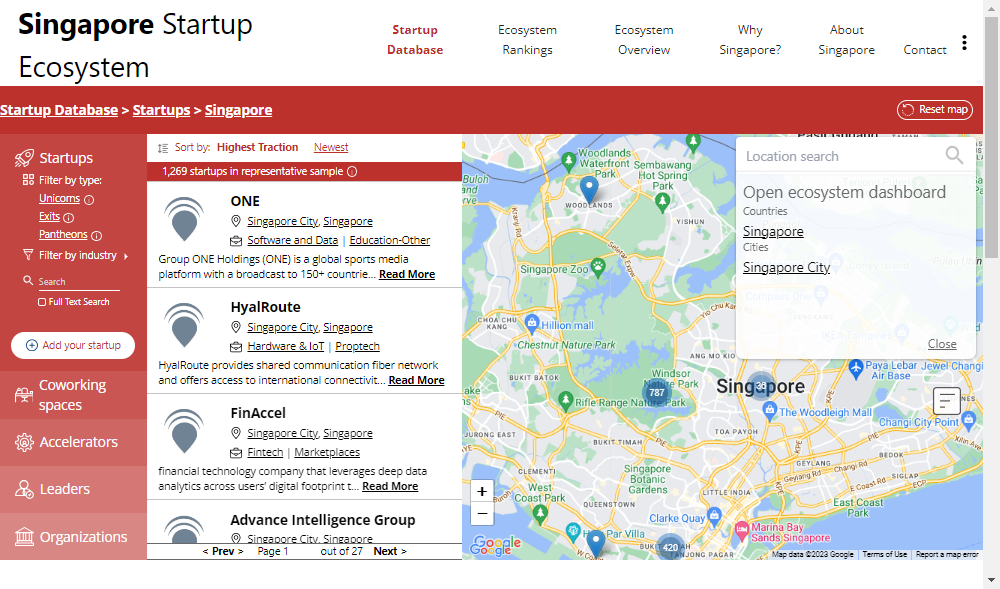
A startup ecosystem is a brand in itself. This means thinking about branding and marketing strategies to effectively communicate your ecosystem’s strengths and unique selling points to potential entrepreneurs and investors. By creating a robust and consistent brand and messaging that highlights the resources and opportunities available in your region, you can position your ecosystem as a destination of choice for entrepreneurs and investors. StartupBlink offers ecosystem portals uniquely designed for your ecosystem, mapping ecosystem stakeholders, key incentives, and opportunities available in the ecosystem.
3. Host startup ecosystem events

Hosting startup conferences can be a powerful tool for bringing together ecosystem stakeholders in your city or country, positioning your ecosystem as a top destination for innovation, and providing entrepreneurs with an environment to network, pitch their ideas, and grow. In other words, it is an activity that ecosystem developers can use to promote the startup ecosystem.
On a global scale, it’s a valuable opportunity for foreign entrepreneurs to learn about your region’s resources and opportunities and connect with local entrepreneurs and stakeholders. This can foster cross-border collaboration and create new business opportunities. By hosting startup conferences, you can build a strong and diverse ecosystem that can attract and retain entrepreneurs and investors worldwide, drive economic growth and create jobs in your region.
4. Showcase your Talent Pool for Startup Ecosystem Promotion
Talent and startup ecosystem development are inseparable from each other. A strong talent pool can provide a startup with the expertise and resources it needs to innovate and succeed. This is especially important in industries that require a high level of specialized knowledge or expertise, such as technology and healthcare. For example, a startup in the biotech industry may choose to locate in a region with a strong cluster of research institutions and universities to access a talented pool of scientists and engineers.
Similarly, an investor may look for opportunities in locations with a strong track record of producing successful and innovative companies, such as Silicon Valley or the Massachusetts Institute of Technology (MIT) Innovation District, to tap into the region’s wealth of talent and expertise.
However, as long as you do not highlight the capabilities of the talent pool, it will just benefit the existing companies. Moreover, in the long run, your ecosystem may experience brain drain because limited job opportunities are available for the workforce. Hence, it is critical to share your talent resources with the world and invite them to invest in your ecosystem.
5. Highlight the success stories in your ecosystem

Highlighting success stories within your startup ecosystem can serve as inspiration for other entrepreneurs and help to showcase the potential of your ecosystem. By sharing information about successful exits and unicorns, you can demonstrate that success is possible within your ecosystem.
One way to do this is by regularly featuring these stories on your social media channels or hosting a podcast dedicated to sharing the success stories of your ecosystem. This helps promote your ecosystem, encourages other startups to strive for success, and highlights the opportunities available. By sharing these stories, you can help to create a culture of success within your ecosystem and attract more entrepreneurs, investors, and talent to your area.
6. Communicate regularly about the new developments in your ecosystem
Communicating effectively and keeping stakeholders updated on the state of your ecosystem is one of the most important aspects of an ecosystem developer. After you have identified the attractive policies, the stakeholders, the talent and the suitable events in your ecosystem, you need to make sure that they stay connected and understand the reasons to celebrate your ecosystem’s progress.
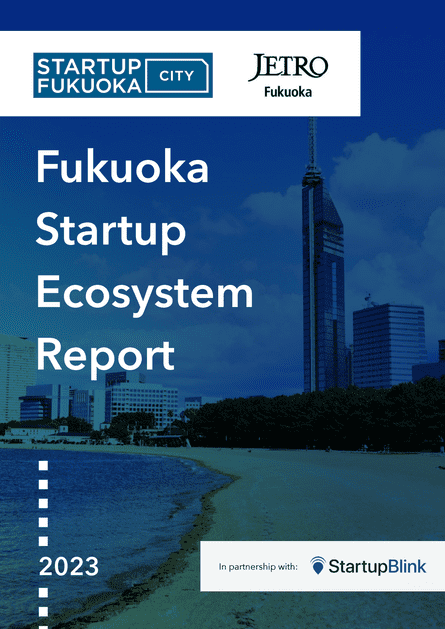
A powerful tool for communication are Startup Ecosystem Reports, which focus on startup ecosystem promotion. These reports highlight the strengths and critical sectors of an overperforming ecosystem. It is a great way to showcase how your ecosystem is unique. They can also be used as a lead generation tool, capturing entrepreneurs looking to relocate or set up a business, as well as investors searching for the right opportunity. Our reports on the startup ecosystem of Catalonia, Fukuoka or Taiwan are just a few real-life examples of how you can showcase opportunities and resources available in your ecosystem.
Looking to put your ecosystem in front of the right audience?
StartupBlink helps ecosystem developers turn data and visibility into applications, partnerships, and leads.
Case Study: Estonia
Estonia, a small country with less than 2 million people, is a successful case of startup ecosystem promotion. Skype’s early success gave them an “initial product,” but low startup activity persisted due to limited investors and entrepreneurs. To overcome this, Estonia employed creative marketing, introduced e-Residency and the Digital Nomad Visa, helping generate more startups like Pipedrive, Bolt, and Wise. Even though some startups left, Estonia’s global narrative as a “digital nation” boosted the ecosystem. Balancing reality and perception is crucial, as sustainable growth depends on both innovative marketing and product development. Now, Estonia thrives as an attractive destination for startups and entrepreneurs worldwide.
Case Study: Israel
Israel’s “startup nation” reputation stems from a private sector-driven success story that unintentionally created one of the world’s strongest startup ecosystem brands. The cultural narrative of risk-taking and entrepreneurship further propelled its thriving ecosystem. Instead of micromanaging, the public sector supported organic growth, allowing startups to flourish.
The success of Israeli startups attracted investors and entrepreneurs, solidifying the nation’s image as a startup hub. Late to the game, the public sector started actively marketing the ecosystem’s advantages.
The combination of private sector ingenuity, a risk-taking culture, and supportive public sector positions Israel as a top destination for startups. Its “startup nation” identity continues to attract global attention, making Israel a powerhouse in the world of innovation.
How to attract top startups and investors to your location?
Attracting top startups and investors to your location requires communicating the strengths and opportunities in your ecosystem clearly, consistently, and to the right audience.
At StartupBlink, we help ecosystem developers do this through three focus areas: Demand Generation, Recognition & Visibility, and Thought Leadership.
This includes bespoke, co-branded reports that showcase why your location is the right place to relocate or invest, dedicated ecosystem portals, and features across StartupBlink’s webinars, podcast, newsletter, and global platform.
We also work with governments and ecosystem developers to promote their ecosystems through StartupBlink’s Global Startup Ecosystem Index, case studies, branded content, and promotional campaigns. With a platform visited by 1 million startup ecosystem stakeholders annually, StartupBlink helps turn ecosystem visibility into applications, partnerships, and qualified leads.