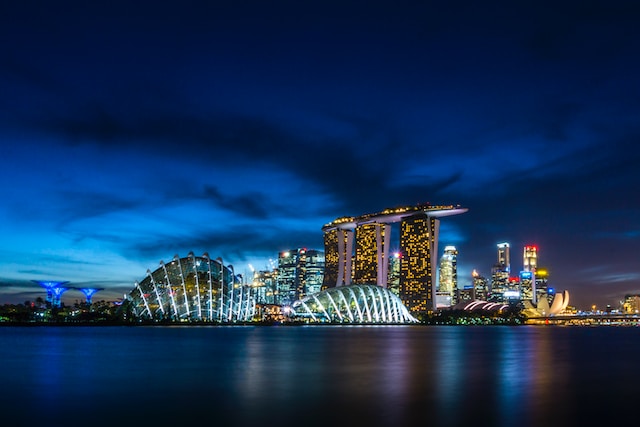

The best startup ecosystems in Asia Pacific in 2026 show where startup activity, investment, innovation, and ecosystem support are strongest across the region. Based on the StartupBlink Global Startup Ecosystem Index 2026, this ranking highlights the leading startup countries and startup cities in Asia Pacific, helping founders, investors, and ecosystem builders understand where the region’s strongest startup hubs are located.
Because startup ecosystem strength is not always concentrated in the same way, this article looks at both countries and cities. Country rankings capture national startup ecosystem performance, while city rankings measure the absolute strength of individual startup hubs.
In 2026, Singapore is the top startup country in Asia Pacific, while Beijing is the top startup city. Australia enters the global country top 10, Taiwan records the fastest growth among Asia Pacific’s top 10 startup countries, and Singapore City is the fastest-growing city in the regional top 10.
Want to see rankings beyond the top 10?
Top Startup Countries in Asia Pacific in 2026
Singapore remains Asia Pacific’s leading startup country with a total score of 68.043, almost twice Australia’s. Australia holds second place and China ranks third, while Japan and South Korea complete an unchanged regional top five.
Below the top three, the country ranking is highly competitive. Japan, South Korea, Taiwan, and India occupy ranks four through seven, with India’s score just 0.7% below Japan’s and no adjacent pair separated by more than 0.27%. The four countries sit consecutively at 18th, 19th, 20th, and 21st globally. Small changes in score could reorder the entire group in the coming years.
Taiwan is the main beneficiary of this compression. It overtook India to reach sixth after recording +41.1% annual growth. This is the fastest rate among Asia Pacific’s top 10 startup countries. India moves down one place regionally despite strong +25.9% growth, showing how competitive the middle of the table has become.
China is the only country in the regional top 10 to record negative growth. That single decline impacts the whole regional picture. Asia Pacific grew by just 5.6% in 2026, the slowest of any global region, even though nine of its top 10 countries grew and six of them grew by more than 20%. China’s size means its contraction outweighs strong growth across much of the rest of the ranking.
Ecosystem value adds another lens. China remains Asia Pacific’s largest startup economy by value at US$2.3 trillion, while India’s ecosystem value of US$620.3 billion is far ahead of several countries that rank above it by total score. Japan’s US$199.7 billion also exceeds Australia’s US$195.2 billion, even though Australia ranks two places higher by total score.
The country ranking shows a region led by Singapore and Australia, with China, Japan, South Korea, Taiwan, and India forming a highly competitive middle tier. Oceania is represented by Australia and New Zealand, while Southeast Asia is represented by Singapore, Malaysia, and Indonesia.
Top 10 Best Startup Countries in Asia Pacific
1. Singapore
Asia Pacific rank: 1 • Total score: 68.043 • Annual growth: +24.4%
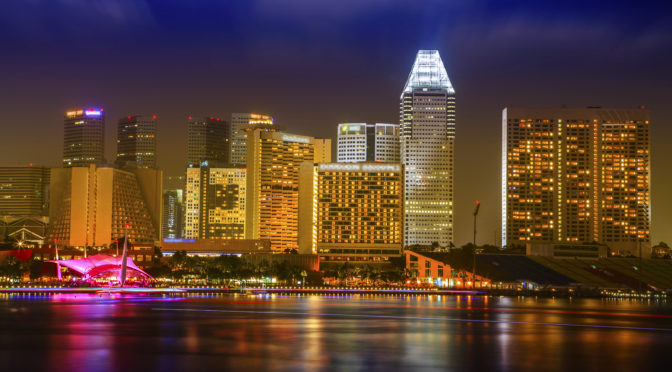
Singapore is the best startup country in Asia Pacific in 2026 by a clear margin, and the region’s only country inside the global top five, at 4th. Its total score is almost twice Australia’s, giving it the region’s strongest country-level position despite the presence of much larger markets below it.
The country’s strength is closely tied to Singapore City, which accounts for 100% of its city-level startup activity. This makes Singapore a prominent example of a national startup ecosystem built around a single globally competitive hub.
2. Australia
Asia Pacific rank: 2 • Total score: 35.438 • Annual growth: +22.9%
Australia ranks second in Asia Pacific and records one of the region’s strongest momentum stories, climbing three places to 9th and entering the global top 10. Its +22.9% growth keeps it well ahead of China by total score, though its ecosystem value of US$195.2 billion sits just behind Japan’s.
Australia’s rise is also visible at city level, where Sydney enters the Asia Pacific top 10. Together with New Zealand, it gives Oceania representation in the country ranking, but Australia remains the subregion’s clear leader.
3. China
Asia Pacific rank: 3 • Total score: 24.817 • Annual growth: -7.9%
China ranks third in Asia Pacific and 15th globally by total score, but remains the region’s largest startup economy by ecosystem value at US$2.3 trillion. This shows the difference between score-based rankings and the accumulated value of a startup economy.
China still has Asia Pacific’s two leading startup cities, Beijing and Shanghai. However, its national score declined by -7.9%, making it the only country in the regional top 10 with negative annual growth in 2026, and the single largest reason the region grew by only 5.6% overall.

4. Japan
Asia Pacific rank: 4 • Total score: 20.037 • Annual growth: +10.7%
Japan holds fourth place in Asia Pacific and opens the tightest cluster in the country ranking, where it sits alongside South Korea, Taiwan, and India within 0.142 points. Its +10.7% annual growth is positive, though slower than the three countries directly below it.
Japan ranks 18th globally, the highest of the four-country cluster, and its ecosystem value of US$199.7 billion is the largest in that group. Tokyo remains the center of the national ecosystem, accounting for 75.8% of Japan’s city-level startup activity.
5. South Korea
Asia Pacific rank: 5 • Total score: 19.992 • Annual growth: +20.6%
South Korea ranks fifth in Asia Pacific, just 0.045 points behind Japan and 0.044 points ahead of Taiwan. Its +20.6% annual growth is nearly double Japan’s, keeping pressure on the country directly above it.
Seoul dominates the national ecosystem, capturing 84.5% of South Korea’s city-level startup activity. This gives the country a strong global hub, but also makes national performance closely tied to Seoul’s momentum.
6. Taiwan
Asia Pacific rank: 6 (▲1) • Total score: 19.948 • Annual growth: +41.1%
Taiwan is the strongest growth story in Asia Pacific’s country top 10. It overtakes India to reach sixth regionally and climbs five places globally to 20th, entering the global top 20.
Its +41.1% annual growth is the fastest rate among the region’s leading countries. Taiwan’s ecosystem value of US$93.4 billion remains modest next to China and India, but its ranking momentum makes it one of the startup ecosystems to watch in 2027.
7. India
Asia Pacific rank: 7 (▼1) • Total score: 19.895 • Annual growth: +25.9%
India moves down one place regionally after being overtaken by Taiwan, but this is a relative ranking shift rather than a lack of growth. Its +25.9% annual growth is still one of the strongest rates in Asia Pacific’s top 10, and it trails Taiwan by only 0.053 points.
India’s ecosystem value of US$620.3 billion is the second highest in Asia Pacific behind China. It also has three cities in the regional city top 10: New Delhi, Bangalore, and Mumbai.

8. New Zealand
Asia Pacific rank: 8 • Total score: 11.970 • Annual growth: +26.2%
New Zealand ranks eighth in Asia Pacific and records +26.2% annual growth, the second-fastest rate among the region’s top 10 countries after Taiwan.
Its ecosystem value of US$22.6 billion is among the smallest in the regional top 10, but its growth rate shows how smaller ecosystems can gain visibility when their scores improve faster than more established competitors. New Zealand ranks 29th globally, the last Asia Pacific country inside the global top 30.
9. Malaysia
Asia Pacific rank: 9 • Total score: 6.901 • Annual growth: +18.9%
Malaysia ranks ninth in Asia Pacific and continues to move upward with +18.9% annual growth, rising three places globally to 41st. The gap to New Zealand remains significant, but Malaysia’s momentum keeps it firmly inside the regional top 10.
Its ecosystem value of US$17.0 billion is the smallest in the regional top 10, which makes its steady score-based climb the more notable result. Malaysia also gives Southeast Asia a third country in the ranking, alongside Singapore and Indonesia, while showing how much distance still separates Singapore from the rest of the subregion by total score.
10. Indonesia
Asia Pacific rank: 10 • Total score: 6.210 • Annual growth: +8.3%
Indonesia completes Asia Pacific’s top 10 startup countries in 2026, ranking 45th globally. Its +8.3% annual growth is positive, but slower than most of the countries above it.
Indonesia’s ecosystem value of US$74.4 billion is higher than Malaysia’s and New Zealand’s, showing again that ecosystem value and total score can tell different stories. Its ecosystem is also among the most concentrated in the region: Jakarta captures 84.8% of Indonesia’s city-level startup activity, a share close to Seoul’s in South Korea.
Want to see where every country ranks?
Top Startup Cities in Asia Pacific in 2026
Beijing and Shanghai remain Asia Pacific’s top two startup cities in 2026, but both recorded steep declines, at -21.4% and -20.0% respectively. Their existing scale keeps them ahead, though the gap below them has narrowed.
Singapore City is the standout mover in the city ranking, climbing two places to third and recording +26.7% growth, the fastest rate among Asia Pacific’s top 10 cities. New Delhi also records strong momentum at +22.0%, holding fourth while sitting less than 1% behind Singapore City by total score.
India remains strongly represented with three cities in the top 10: New Delhi, Bangalore, and Mumbai. China also has three cities in the ranking, but all three declined in 2026, including Shenzhen, which fell nine places globally.
Sydney enters the Asia Pacific top 10 after climbing two regional places. Its rise coincides with Hangzhou falling four places to 14th and dropping out of the leading group, making the lower end of the city ranking one of the most visible changes this year.
The city ranking is led by China’s two largest startup hubs, followed by a tight cluster of Singapore City, New Delhi, and Bangalore. The addition of Sydney gives Oceania representation in the city top 10 and reflects Australia’s broader national momentum.

Top 10 Best Startup Cities in Asia Pacific
1. Beijing, China
Asia Pacific rank: 1 • Total score: 107.678 • Annual growth: -21.4%
Beijing is the best startup city in Asia Pacific in 2026. Its total score is about 32% higher than Shanghai’s, the largest gap between any two adjacent cities in the regional top 10. It also captures 28.6% of China’s startup activity, the largest share held by any Chinese city.
Beijing’s -21.4% annual growth is the steepest decline in the leading group. Even so, the scale of its lead means its position at the top of Asia Pacific remains secure for now.
2. Shanghai, China
Asia Pacific rank: 2 • Total score: 81.430 • Annual growth: -20.0%
Shanghai holds second place in Asia Pacific and remains one of the region’s strongest startup hubs. It captures 21.7% of China’s startup activity, second only to Beijing.
Shanghai’s -20.0% growth closely tracks Beijing’s decline, making 2026 a difficult year for China’s two flagship hubs. The decline also narrows the race below it, with Singapore City now only about 3% behind Shanghai.
3. Singapore City, Singapore
Asia Pacific rank: 3 (▲2) • Total score: 78.854 • Annual growth: +26.7%
Singapore City is the strongest momentum story among Asia Pacific’s top startup cities in 2026. It climbs two places regionally and records the fastest growth rate in the top 10.
Its +26.7% annual growth brings it within about 3% of Shanghai by total score. This turns the race for second place in Asia Pacific into one of the most important movements to watch in future editions of the Index.
4. New Delhi, India
Asia Pacific rank: 4 • Total score: 78.491 • Annual growth: +22.0%
New Delhi holds fourth place in Asia Pacific despite recording +22.0% annual growth, the second-fastest rate among the region’s top 10 cities. Its rank is unchanged because two movements cancelled each other out: New Delhi overtook Bangalore, while Singapore City overtook New Delhi from below.
New Delhi is India’s highest-ranked startup city, capturing 24.2% of the country’s startup activity. Its score is less than 1% behind Singapore City, making this one of the closest contests in the ranking.
5. Bangalore, India
Asia Pacific rank: 5 (▼2) • Total score: 77.022 • Annual growth: -0.7%
Bangalore falls two places to fifth after a flat year at -0.7% growth. It was overtaken by Singapore City and New Delhi, both of which grew by more than 20%.
The drop reflects relative momentum rather than a major loss of scale. Bangalore captures 23.7% of India’s startup activity, almost identical to New Delhi’s 24.2%, showing that India has two closely matched leading hubs.
6. Tokyo, Japan
Asia Pacific rank: 6 • Total score: 66.353 • Annual growth: +8.1%
Tokyo holds sixth place in Asia Pacific and remains Japan’s leading startup hub. It captures 75.8% of the country’s startup activity, making it central to Japan’s national ranking.
Tokyo’s +8.1% annual growth is positive but modest compared with Singapore City and New Delhi. The city also sits in one of the more isolated positions in the table, with a wide gap to Bangalore above it and Mumbai below.
7. Mumbai, India
Asia Pacific rank: 7 (▲1) • Total score: 51.990 • Annual growth: +7.3%
Mumbai rises one place regionally to seventh, giving India a third city in the Asia Pacific top 10. It captures 16.0% of India’s startup activity, behind New Delhi and Bangalore.
Mumbai’s score sits less than 1% ahead of Seoul’s, making this one of the narrowest gaps in the ranking. The two cities remain closely matched and could continue trading positions in future editions.
8. Seoul, South Korea
Asia Pacific rank: 8 (▲1) • Total score: 51.554 • Annual growth: +7.4%
Seoul climbs one place regionally to eighth and remains South Korea’s dominant startup city. It captures 84.5% of the country’s startup activity, one of the highest national shares in the city top 10.
Seoul and Mumbai are effectively tied, separated by less than 1% in total score. Seoul is growing slightly faster, which makes the contest between the two cities especially close.
9. Shenzhen, China
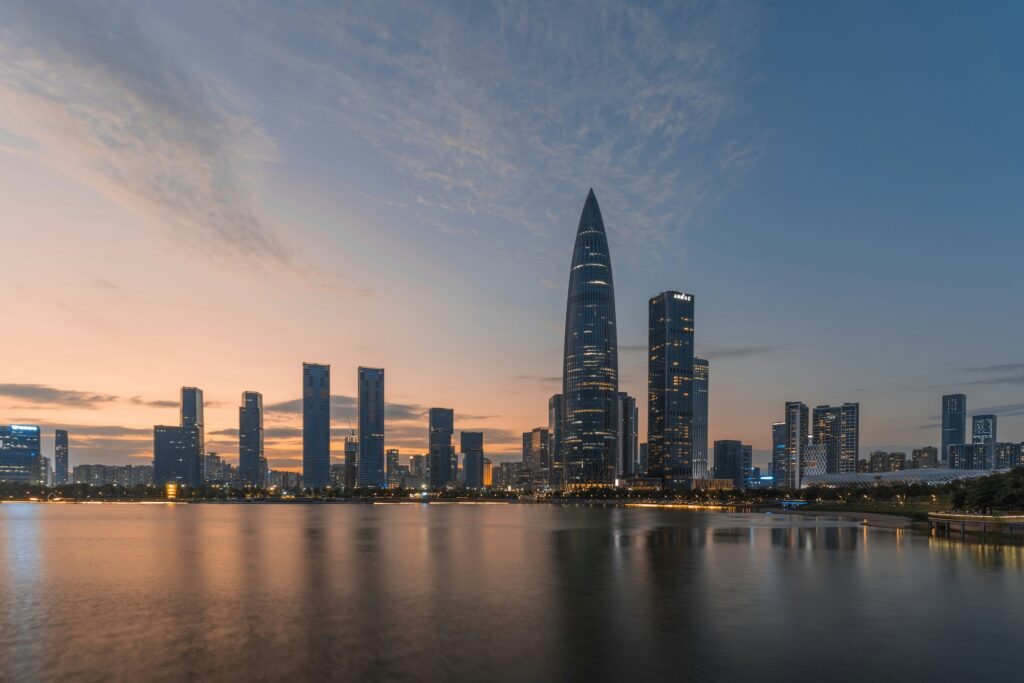
Asia Pacific rank: 9 (▼2) • Total score: 41.532 • Annual growth: -14.8%
Shenzhen falls two places regionally after recording -14.8% annual growth, and nine places globally to 26th, the steepest global fall among Asia Pacific’s top 10 cities.
Shenzhen gives China a third city in the regional top 10, matching India’s representation. It captures 11.0% of China’s startup activity, well behind Beijing’s 28.6% and Shanghai’s 21.7%, showing how much of the country’s startup strength remains concentrated in its two leading hubs.
10. Sydney, Australia
Asia Pacific rank: 10 (▲2) • Total score: 35.428 • Annual growth: +11.7%
Sydney enters the Asia Pacific top 10 after climbing two regional places. Its rise coincides with Hangzhou falling four places to 14th and dropping out of the leading group.
Sydney’s +11.7% growth is not the fastest in the top 10, but it is enough to make Australia the only Oceania country represented in the city ranking. The result also aligns with Australia’s broader national momentum.
Notable Ecosystems Beyond the Top 10: Uzbekistan and Tashkent
Uzbekistan does not yet rank among Asia Pacific’s top 10 startup countries, but it produced one of the strongest momentum stories in the 2026 Index. The country recorded +227.3% annual growth, the fastest country growth rate in this year’s Index, showing how quickly emerging ecosystems can move from a low base.
Tashkent is the city-level expression of that national momentum. It grew +155.7% in 2026, becoming the leading startup city in Central Asia. The scale of its growth makes Uzbekistan and Tashkent the standout ecosystems to watch beyond the region’s leading group.
How Startup Ecosystems in Asia Pacific Are Ranked
The Global Startup Ecosystem Index ranks 120 countries and more than 1,500 cities using measurable data on startup activity, outcomes, investment, exits, unicorns, business conditions, and related indicators. Total score is the ultimate measure of the ranking, and annual growth shows how each score has moved over the past year.
Country and city rankings use different algorithms. Country scores are adjusted for population, while city scores measure the absolute strength of a hub, so a country’s rank and the rank of its leading city should be read separately rather than mapped directly onto one another.
National share, cited throughout this article, measures how much of a country’s startup activity a single city captures. It is calculated from the combined total scores of that country’s ranked cities, not from the country’s own total score. Ecosystem value adds a further lens, estimating the combined value of a country’s startups alongside rank and annual growth.
One useful way to read the results is by ecosystem structure. Some Asia Pacific ecosystems are highly concentrated around one dominant hub, as seen in Singapore, Japan, South Korea, and Indonesia. Others are more distributed across several cities, as in India, China, and Australia. This structure helps explain why countries with similar scores can have very different startup ecosystem dynamics.
Conclusion
Singapore and Beijing remain the top startup ecosystems in Asia Pacific in 2026, with Singapore leading the country ranking and Beijing remaining the region’s strongest startup city. Below them, the ranking shows a region where scale, growth, and ecosystem value do not always move in the same direction.
At the country level, the regional top five is stable, but the ranking just below it is not. Japan, South Korea, Taiwan, and India sit within 0.142 points of one another and hold four consecutive global ranks, 18th through 21st. Taiwan’s +41.1% growth was enough to move it past India, while Australia climbs to 9th globally and enters the global top 10.
At city level, Beijing and Shanghai remain ahead, but their steep declines narrow the gap to Singapore City and New Delhi. Sydney enters the top 10, while Hangzhou drops out of the leading group and Uzbekistan and Tashkent provide the strongest momentum story beyond the top 10.
Asia Pacific grew by only 5.6% in 2026, the slowest of any global region, even as most of its leading countries grew strongly. That contrast is the story of the year: China’s decline outweighs momentum almost everywhere else, and it explains why growth, ecosystem value, national concentration, and city-level movement all need to be read together to understand which startup ecosystems are leading and where the next regional shifts may come from.
Want to explore the full Asia Pacific startup ecosystem rankings beyond the top 10?