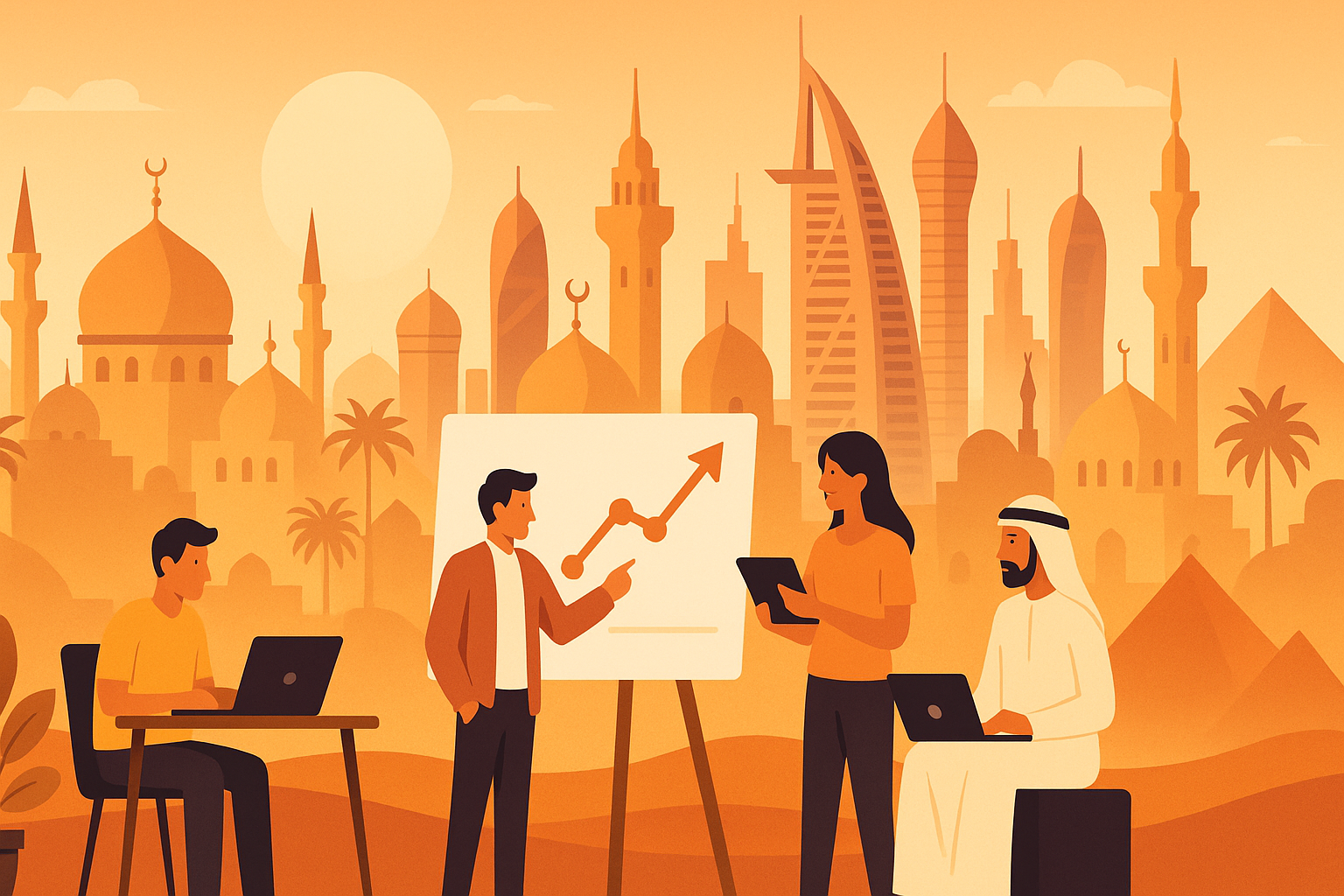

The Middle East is increasingly becoming a key player in the global innovation economy. As governments across the region diversify their economies beyond oil, support for entrepreneurship has emerged as a central strategy. This shift has led to a notable rise in the prominence of Middle Eastern startup ecosystems, marked by increased venture capital activity, policy reform, and world-class digital infrastructure. Cities that were once considered nascent or emerging players are now contending on the global stage.
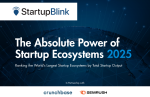
The StartupBlink Global Startup Ecosystem Index 2025 offers a comprehensive, data-driven ranking of over 1,400 cities and 100+ countries, based on three pillars: Quantity, Quality, and Business Environment. This year’s report highlights the Middle East’s rising role in the innovation landscape, not just through growth rates, but also in overall global positioning. In this article, we spotlight the top Middle Eastern cities in the 2025 Index those that have demonstrated consistent ecosystem strength and strategic importance.
Download the full report to explore the complete global rankings and insights!
Middle Eastern Cities Gain Global Relevance
While the Middle East has long hosted regional startup activity, 2025 marks a period of convergence between local ambition and global recognition. Cities like Tel Aviv, Dubai, and Riyadh have grown into serious players, while emerging hubs like Abu Dhabi, Manama, and Jeddah are building infrastructure and momentum. These cities benefit from strong government intervention, favorable business environments, and targeted industry development—particularly in fintech, AI, energy, and logistics.
The following are the top-ranked Middle Eastern cities in the 2025 Index based on their global ecosystem rank, not just year-over-year growth.
Top Cities for Startups in the Middle East
Tel Aviv-Yafo, Israel
Tel Aviv remains the undisputed leader in the Middle East for startup activity and one of the top 10 ecosystems globally. Known for its dominance in cybersecurity, AI, and deep tech, Tel Aviv benefits from a robust R&D culture, top-tier talent, and strong ties between academia, government, and the private sector. Israel’s military intelligence units have historically incubated top tech talent, and this pipeline continues to feed into the startup scene. Despite global competition, Tel Aviv has retained its ranking thanks to consistent output and the resilience of its entrepreneurial ecosystem.
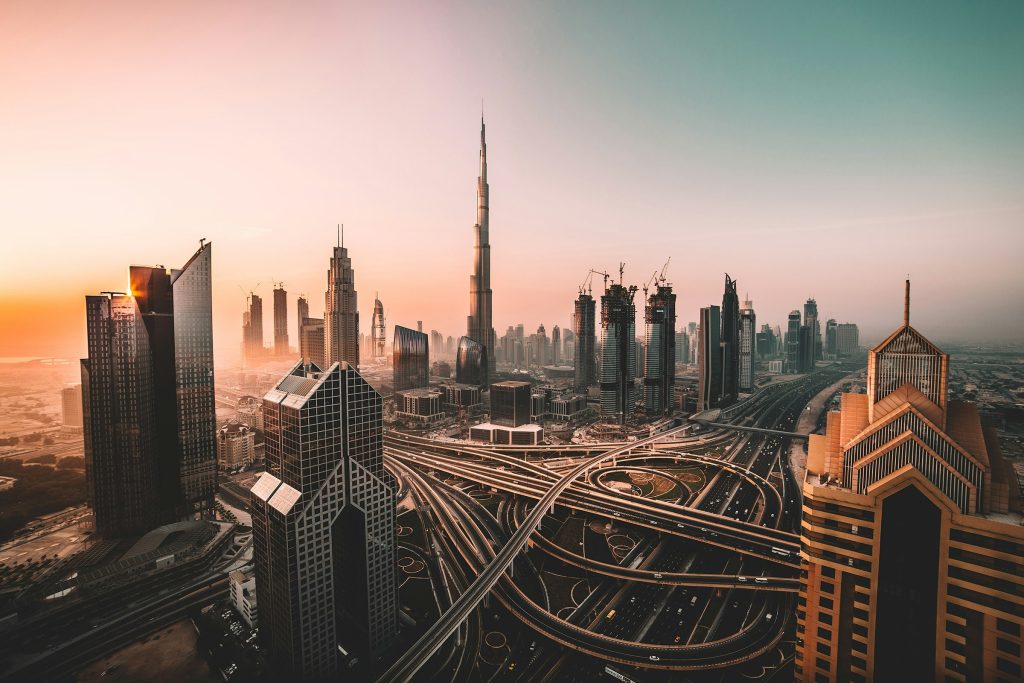
Dubai, United Arab Emirates
Dubai has climbed six positions in 2025, breaking into the top 50 globally for the first time. The city’s sustained growth—more than 30% year-over-year—is the result of proactive government initiatives such as the Dubai Future Foundation, attractive visa regimes for entrepreneurs, and support for frontier industries like fintech, blockchain, and mobility. Dubai serves as a magnet for global talent and investors, offering a strategic location between East and West. With a well-developed infrastructure and an international business climate, Dubai is a dominant player in the Gulf and second only to Tel Aviv in the region.
Riyadh, Saudi Arabia
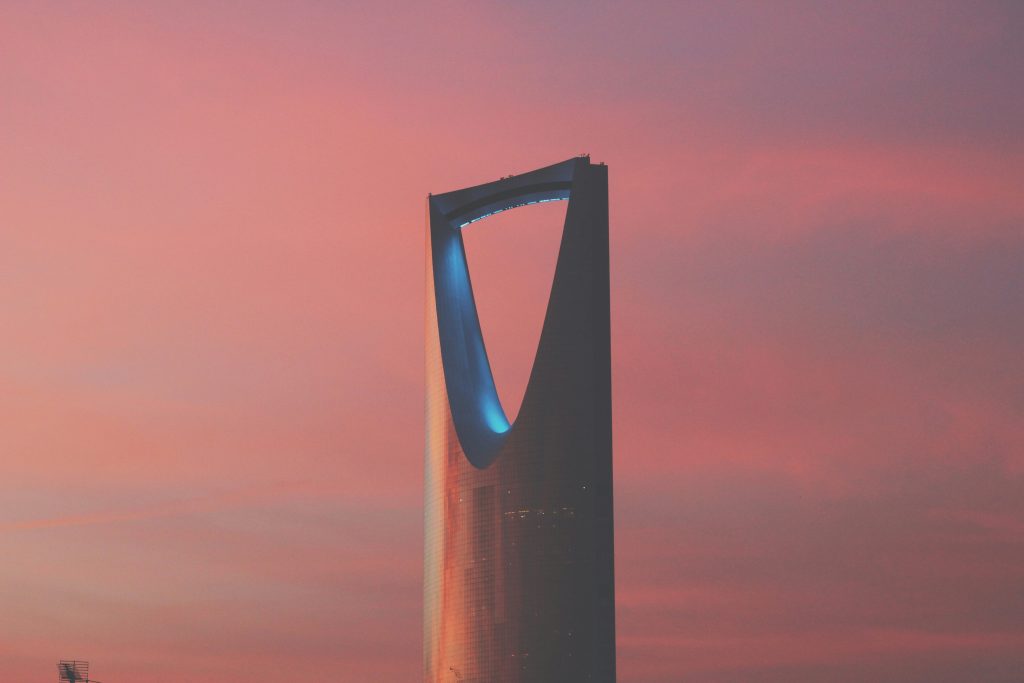
Riyadh is this year’s standout success story, skyrocketing 64 spots to reach 72nd place globally. The city achieved a staggering 134.1% growth rate, the highest among all cities in the top 100. Backed by Saudi Arabia’s Vision 2030, Riyadh is undergoing a transformation with major investment in tech infrastructure, smart city initiatives, and large-scale public funding. The National Technology Development Program (NTDP) is playing a central role, driving innovation through funding, capacity-building programs, and targeted incentives that position Riyadh as a serious contender for regional leadership.
Jerusalem, Israel
Jerusalem remains an essential innovation center. Home to several universities and research institutions, the city fosters growth in healthtech, biotech, and security-focused startups. While often overshadowed by Tel Aviv, Jerusalem complements Israel’s broader ecosystem with deep academic roots and a concentration of early-stage startups.
Haifa, Israel
Haifa holds its ground as a key Israeli tech hub, especially in industrial tech and medical innovation. While its ranking slightly declined, the city has strong institutional backing and benefits from its location near research universities and multinational R&D centers. Haifa plays a quiet but steady role in Israel’s overall tech output.
Abu Dhabi, United Arab Emirates
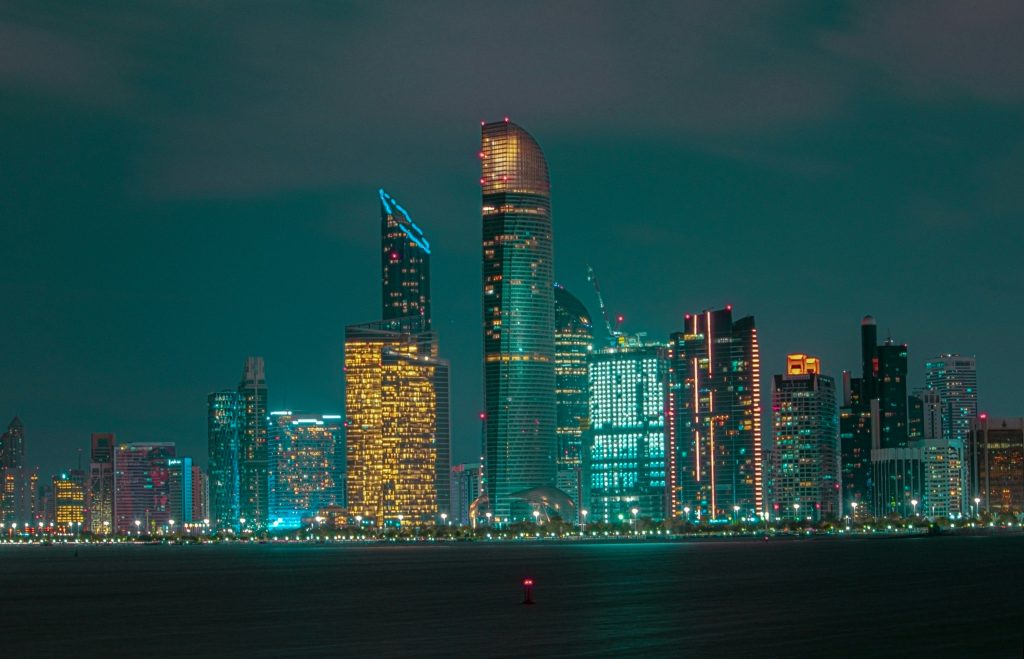
Abu Dhabi continues to build momentum with nearly 50% ecosystem growth in 2025. As the capital of the UAE, Abu Dhabi leverages its sovereign wealth funds and world-class infrastructure to attract startups focused on AI, healthtech, and sustainability. The city is also becoming known for its institutional backing, with entities like Hub71 and ADQ creating fertile ground for innovation. While it still trails Dubai in absolute rank, Abu Dhabi’s steady upward trajectory suggests a commitment to becoming a regional leader in deep tech and advanced research commercialization.
Amman, Jordan
Amman is becoming known for its cost-effective startup environment and strong digital talent pool. With rising support from international development agencies and a growing tech workforce, Amman is positioning itself as a rising star in the Levant.
Jeddah, Saudi Arabia
Jeddah’s rank has dropped, but its ecosystem is actively developing. Positioned on the Red Sea, Jeddah is benefiting from national strategies to distribute startup growth beyond Riyadh. Supported by SDAIA and the Ministry of Communications, the city is emerging as a logistics and commerce-focused tech hub with long-term potential.
Yokneam, Israel
Yokneam, though small in size, is an important industrial-tech cluster in Israel. Its rise of 78 positions reflects growth in medtech and hardware startups, thanks to proximity to Haifa’s academic ecosystem and tech infrastructure. Yokneam stands out as a high-performing small ecosystem punching above its weight.
Manama, Bahrain
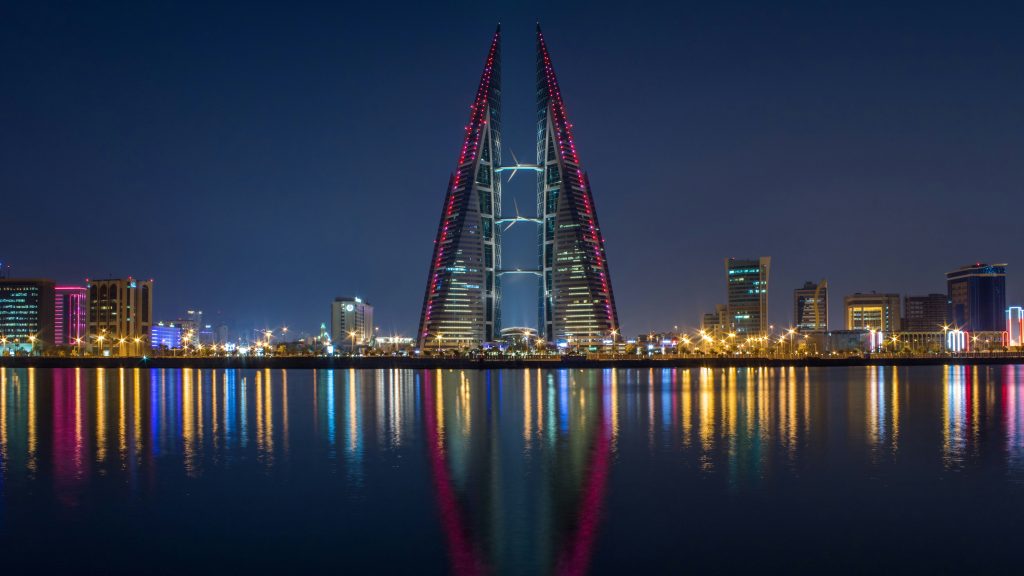
Manama gains 58 ranks, driven by strong growth in fintech and favorable government support. The Central Bank of Bahrain’s regulatory sandbox and programs from Tamkeen have made the city a fertile ground for startup experimentation. While it remains outside the top 300, its strategic proximity to Saudi Arabia and cost-effective environment make it increasingly attractive.
Conclusion
The Middle East is rapidly transitioning from a developing innovation region into a global force. As seen in the 2025 Global Startup Ecosystem Index, cities like Tel Aviv, Dubai, and Riyadh are setting benchmarks for ecosystem strength and global relevance. Meanwhile, Abu Dhabi, Manama, Jeddah, and Doha are forging their own paths, each leveraging national strengths to build competitive innovation clusters.
This momentum is not coincidental—it reflects years of policy work, infrastructure investment, and strategic vision. As more cities in the region climb the global rankings, the Middle East is positioning itself as a destination not only for oil and trade, but for entrepreneurship, innovation, and long-term economic resilience.