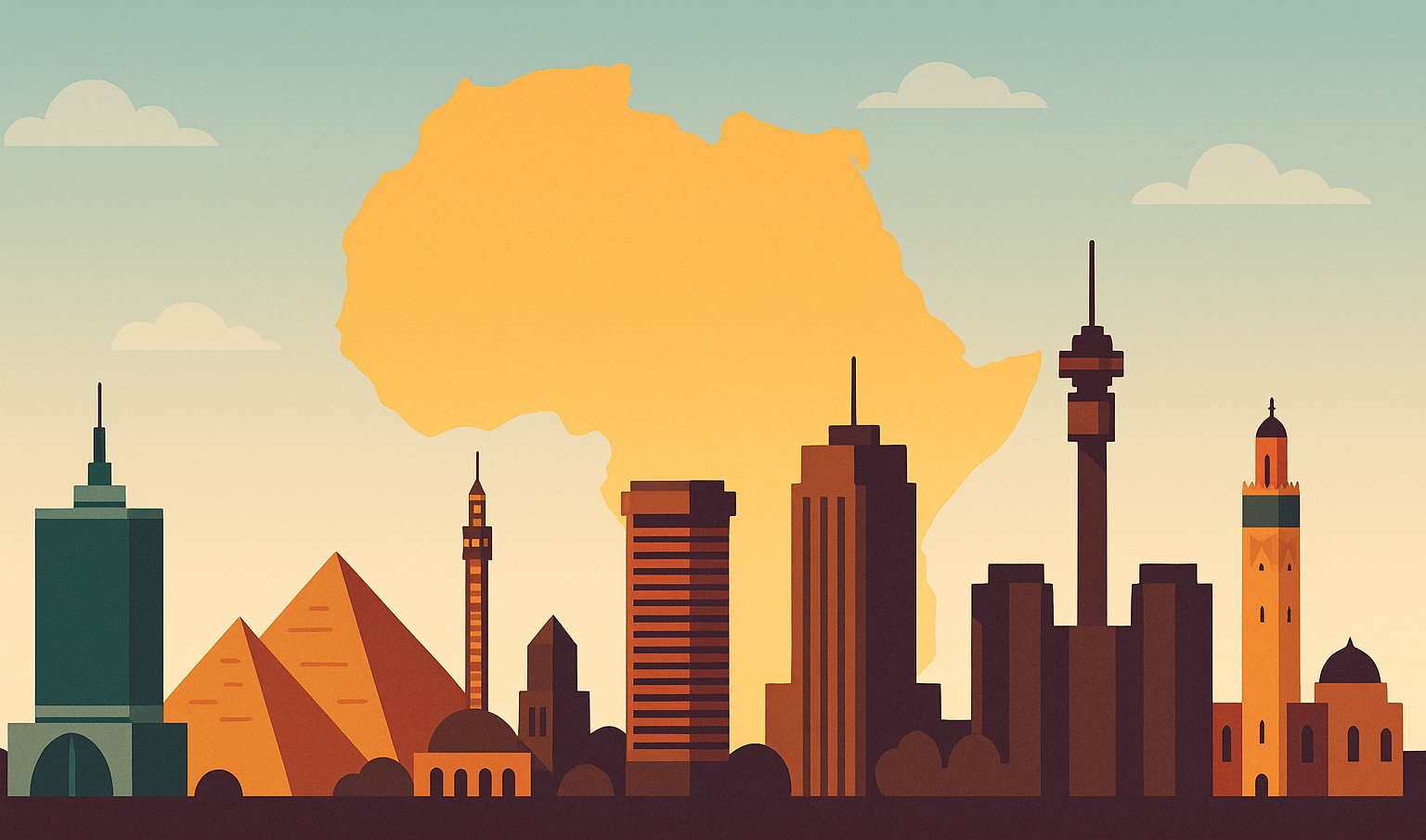
In the Global Startup Ecosystem Index 2025, Africa is represented by 5 cities in the global top 150 and 16 cities in the global top 1,000. While Lagos, Cairo, and Nairobi remain the continent’s established anchors, several ecosystems—including Johannesburg, Casablanca, and Kampala—posted some of the fastest growth rates worldwide. On average, African cities recorded a growth rate of 23.4%, with standout performers like Kampala and Johannesburg exceeding 40–50%.
StartupBlink’s Global Startup Ecosystem Index 2025 tracks 1,400+ cities across 100+ countries, measuring them across three pillars: Quantity, Quality, and Business Environment. By analyzing these factors, the Index highlights where innovation is advancing at scale both globally and within Africa.
This article showcases the Top Cities for Startups in Africa, ranked by their total ecosystem score.
For a deeper analysis of more than 1,000 ecosystems worldwide, download the full Global Startup Ecosystem Index 2025.
Lagos falls six places to 76th globally, exiting the global top 70 after briefly entering it in 2024. Despite the decline, Lagos has retained its position as Africa’s highest-ranked ecosystem since 2021. Its growth rate, however, remains among the lowest in the region at under 6%, reflecting broader challenges facing Nigeria’s ecosystem momentum. Lagos continues to dominate nationally, with a score nearly 12 times larger than Abuja’s, the country’s second-ranked hub.
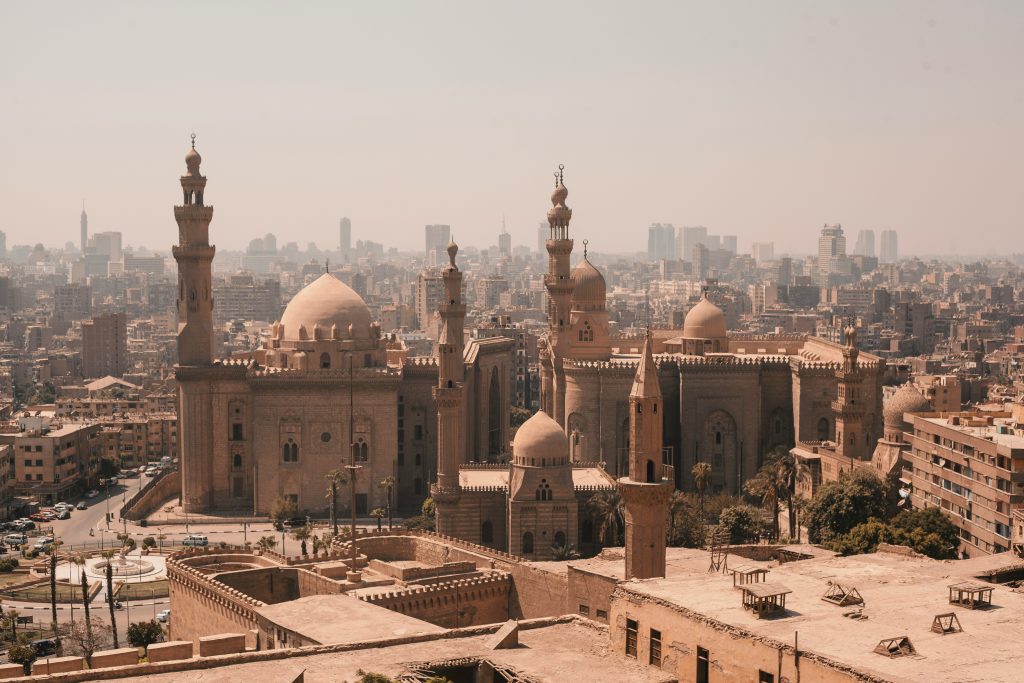
Cairo climbs seven places to 89th globally, breaking into the top 90 for the first time and achieving its highest-ever ranking. It has now recorded five consecutive years of upward movement. Regionally, Cairo holds 2nd place in Africa and continues to lead North Africa, with a score more than seven times higher than Casablanca’s. Egypt’s ecosystem remains highly centralized in Cairo, whose score is over 30 times larger than Alexandria’s.
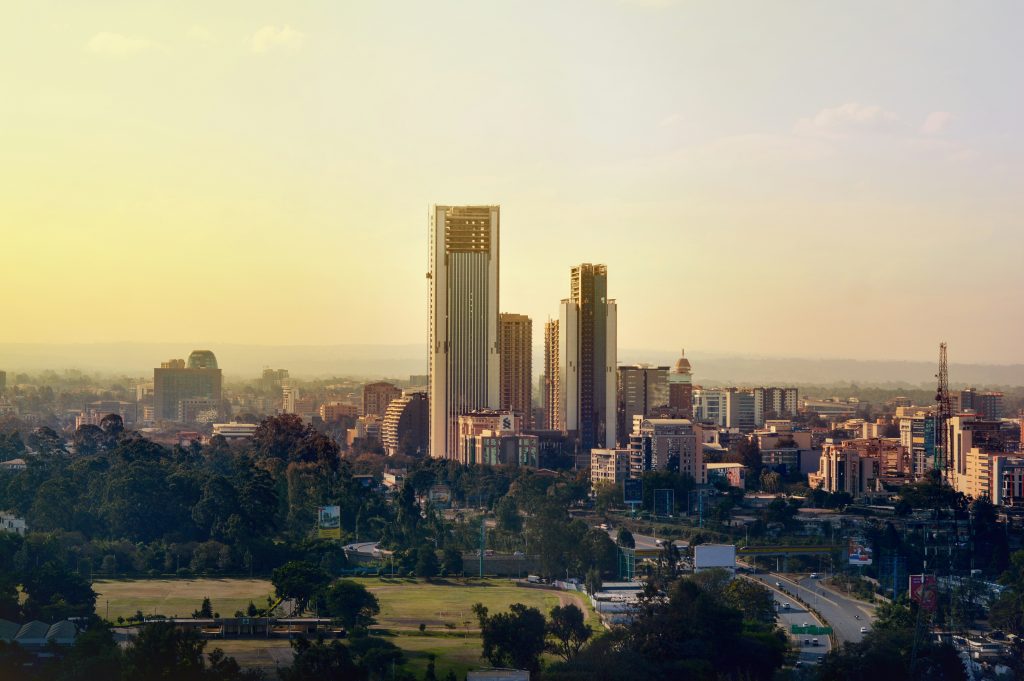
Nairobi advances six places to 107th globally, marking its third consecutive year of upward momentum. The city remains firmly in 3rd place in Africa and is the leading startup hub in Eastern Africa, with a score five times larger than Victoria (Seychelles). Nairobi also accounts for nearly all of Kenya’s ecosystem activity, with a score almost fifty times higher than Mombasa’s. Its 22% growth rate continues to position Nairobi as one of the continent’s most dynamic hubs, building on its role as a regional leader in innovation and investment.
Johannesburg climbs 17 places to 122nd globally, achieving the highest growth rate in South Africa at more than 42%. It now overtakes Cape Town as the country’s top-ranked startup hub. Nationally, Johannesburg stands out in a decentralized ecosystem, with its score only 1.1 times larger than Cape Town’s. Both cities rank among the world’s top 50 for the Payments industry, but Johannesburg’s sharper momentum has positioned it as South Africa’s leading ecosystem in 2025.
Cape Town falls ten places to 138th globally, with a growth rate of just over 13%. After being overtaken by Johannesburg, it is now the country’s second-ranked ecosystem. Despite this shift, Cape Town remains a key South African hub, particularly strong in attracting foreign talent and investment. Along with Johannesburg, it ranks among the global top 50 for the Payments industry, but slower momentum has reduced its position in the national and global rankings.
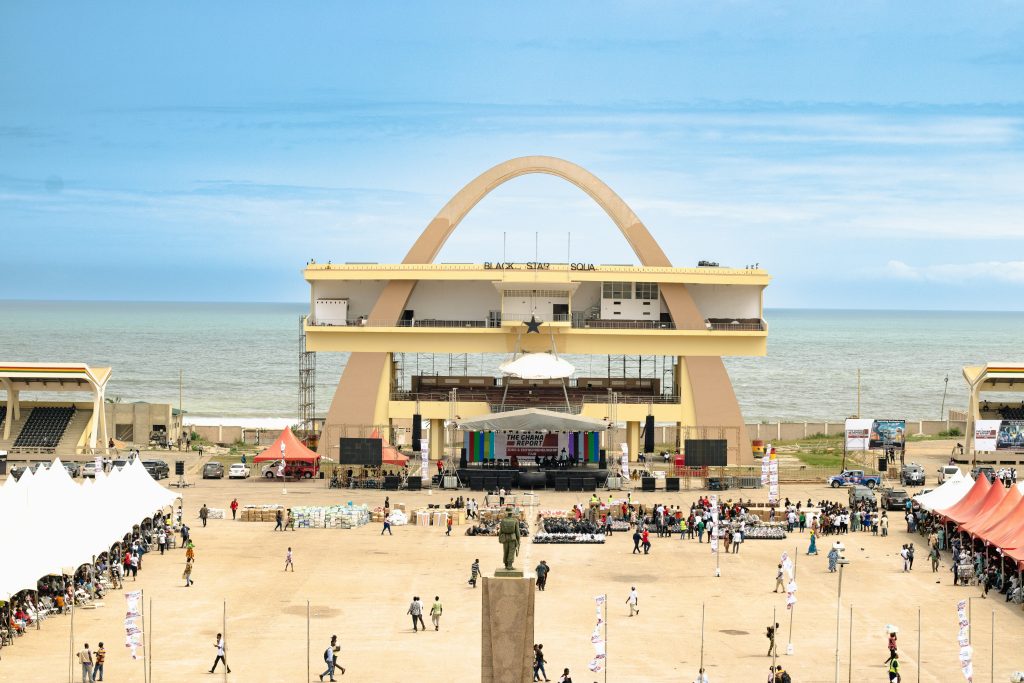
Accra climbs 25 places to reach 243rd globally, achieving its highest-ever position in the rankings. With growth above 35%, it also advances regionally, overtaking Dakar to become the second-ranked city in Western Africa. This momentum highlights Accra’s role as Ghana’s leading startup hub, supported by active tech hubs and accelerators, as well as rising strengths in Agtech where it now ranks among the top 75 cities worldwide.
Victoria ranks among the global top 300 startup ecosystems, holding 288th place worldwide. Despite declining 35 spots in the latest rankings, it remains the leading ecosystem in Seychelles and continues to play a role in the regional landscape.
Kampala edges closer to the global top 300, climbing to 301st place with an outstanding growth rate of more than 54%. It is the fastest-growing city among Eastern Africa’s top 10 ecosystems, advancing to 3rd place regionally. Kampala also strengthens Uganda’s position as the 2nd-ranked ecosystem in Eastern Africa, and shows global potential in Agtech, where it ranks 54th.
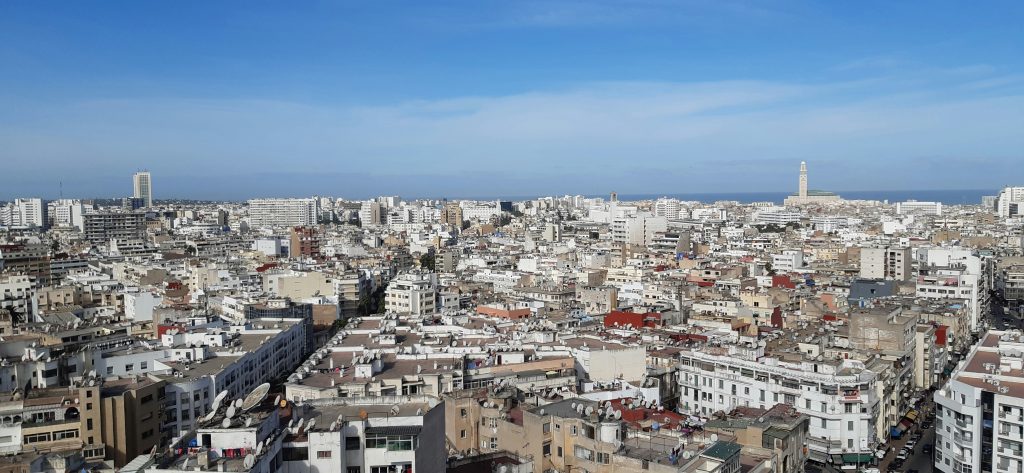
Casablanca climbs 42 spots to 317th globally, achieving the highest growth rate in Northern Africa at more than 40%. It remains Morocco’s dominant startup hub, with a score over 6.5 times larger than Rabat, and continues to drive the country’s momentum as Morocco rises to 88th worldwide and maintains 3rd place regionally.
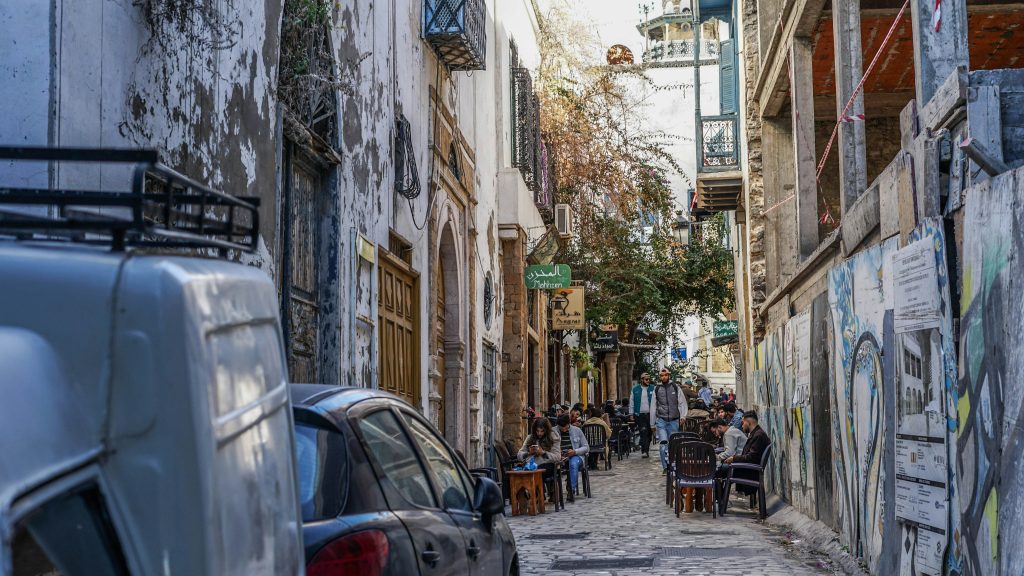
Tunis climbs 18 spots to 327th globally, recording a growth rate of more than 22% as it edges closer to the top 300. Despite this momentum, it drops to 3rd place regionally in North Africa, as Casablanca overtakes it with a much faster pace of growth. Tunisia overall rises eight spots to 82nd worldwide, though it posted the lowest growth rate in North Africa (under 15%).
Conclusion
Africa’s startup ecosystems are showing clear signs of acceleration, with several hubs recording some of the fastest growth rates in the world. Lagos, Cairo, and Nairobi remain the continent’s top three anchors, while Johannesburg, Casablanca, and Kampala are emerging as new centers of momentum. Although challenges around funding, infrastructure, and regulatory frameworks persist, the region’s average growth rate above 20% highlights Africa’s potential to expand its role in the global startup landscape.
For a full overview of more than 1,000 ranked ecosystems worldwide, including deeper insights into African cities, download the Global Startup Ecosystem Index 2025.