In the 2025 Global Startup Ecosystem Index, Latin America recorded 9 cities in the global top 200 and 27 in the global top 1,000. Several ecosystems returned to positive momentum after years of stagnation, while others consolidated their leadership with steady growth. The region’s cities achieved an average growth rate of 20.6%, with notable outliers such as Medellín and Lima exceeding 30%.
StartupBlink’s Global Startup Ecosystem Index 2025 tracks more than 1,400 cities and 100+ countries, measuring them across three pillars: Quantity, Quality, and Business Environment. By analyzing these factors, the Index highlights where innovation is advancing at scale both globally and within Latin America.
This article focuses on the Top Cities for Startups in LATAM, ranked by their total ecosystem score. For a deeper analysis of more than 1,000 ecosystems worldwide, download the full Global Startup Ecosystem Index 2025
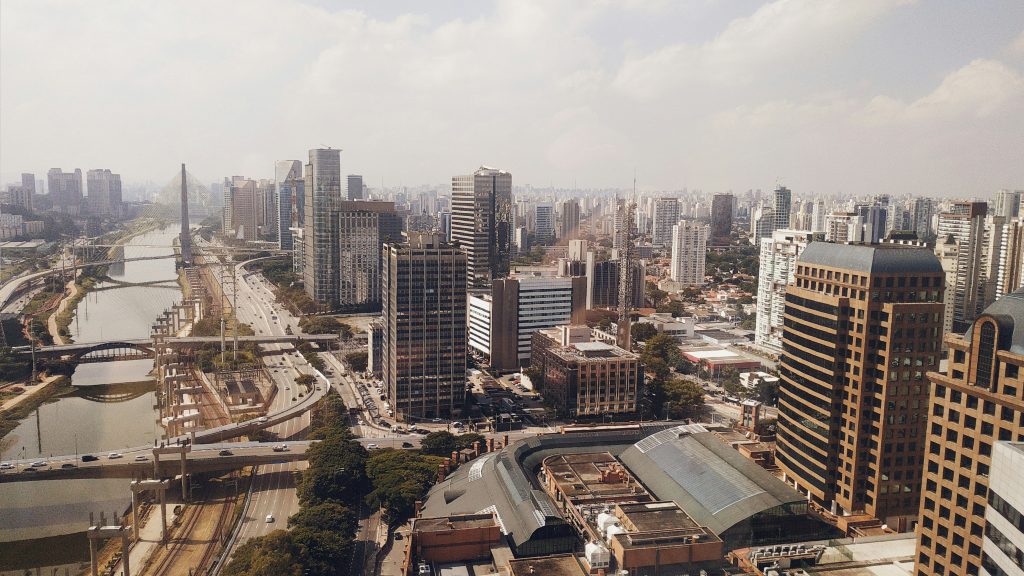
São Paulo retains its global position at 23rd, remaining Latin America’s leading startup hub. The ecosystem is highly centralized, with a score nearly eight times higher than Rio de Janeiro’s, the country’s second-ranked city. São Paulo stands out globally in Fintech, ranking 5th worldwide and first in Latin America with a score 2.5 times higher than Mexico City’s. Despite slower relative growth compared to some emerging Brazilian hubs, São Paulo remains the dominant force in both Brazil and the wider region.
Mexico City drops five places to 43rd globally, recording one of the slowest growth rates among Latin America’s leading ecosystems. Despite this, it holds its position as the 2nd-ranked city in the region. Mexico City ranks 5th worldwide in Marketplaces. Most other leading Mexican ecosystems, including Guadalajara and Monterrey, expanded at modest rates below the global average, while rising hubs such as León and Chihuahua posted some of the fastest growth nationally
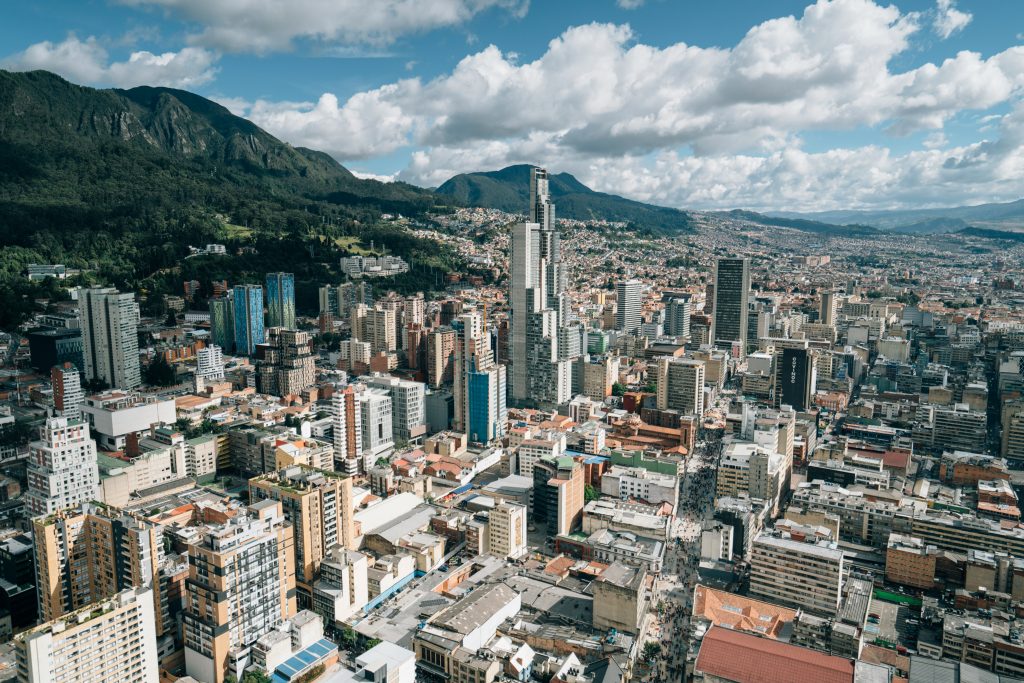
Bogotá has maintained consistent upward momentum since 2021, ranking 62nd worldwide and 3rd in Latin America. It is the only city in the region’s top three to record positive growth this year. The city ranks 20th globally in Transportation and 1st in LATAM. Growth is supported by institutions such as the Cámara de Comercio de Bogotá which plays a central role in ecosystem development.
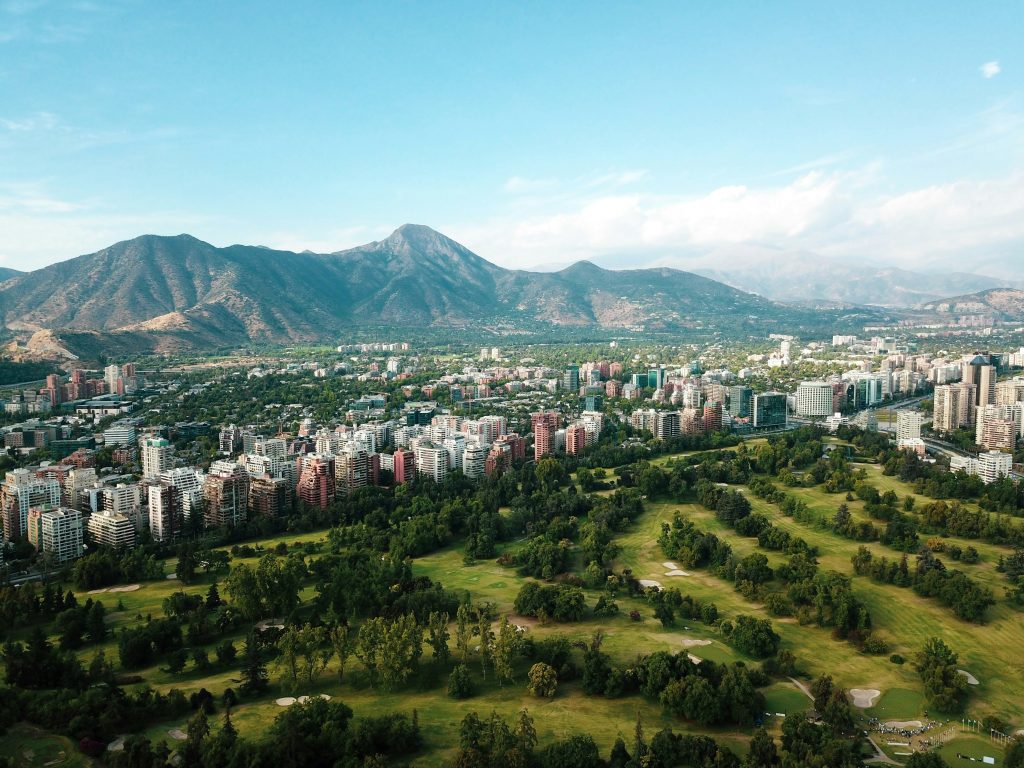
Santiago advances to 75th globally, recovering from its drop in 2024 and recording the highest growth rate among Latin America’s top five cities. Regionally, it climbs to 4th place, though its score remains 20% behind Bogotá, marking its widest gap with the next-ranked city since 2020. Chile’s startup environment remains heavily centralized, with Santiago’s score more than 63 times larger than Valparaíso’s, a gap that has nearly quadrupled since 2020.
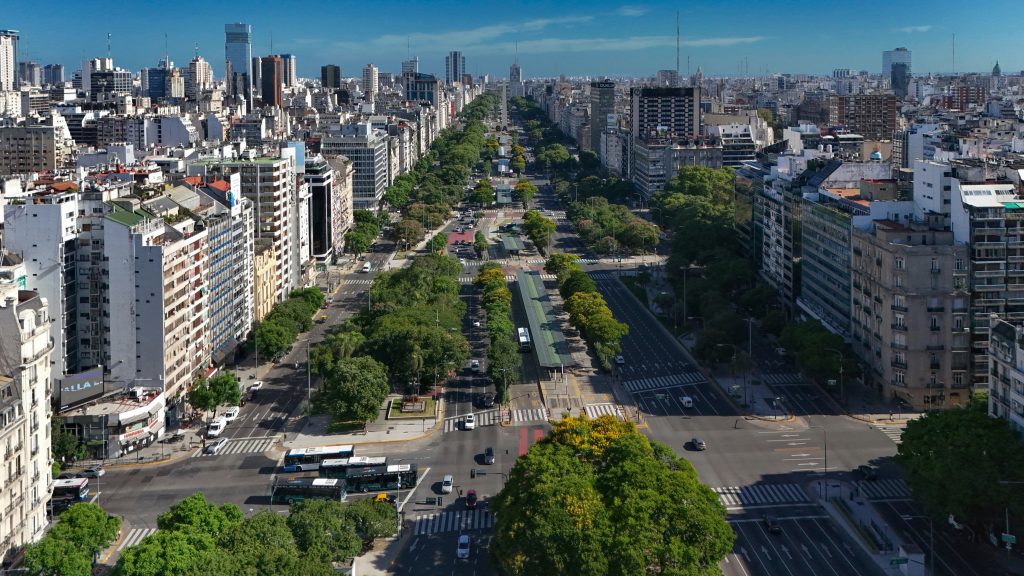
Buenos Aires drops three places to 77th globally, maintaining its lead as Argentina’s top-ranked ecosystem but with relatively low growth of around 15%. Regionally, it falls out of South America’s top three cities, slipping to 4th after being overtaken by Santiago. Córdoba and Rosario are narrowing the gap with growth rates above 30%.
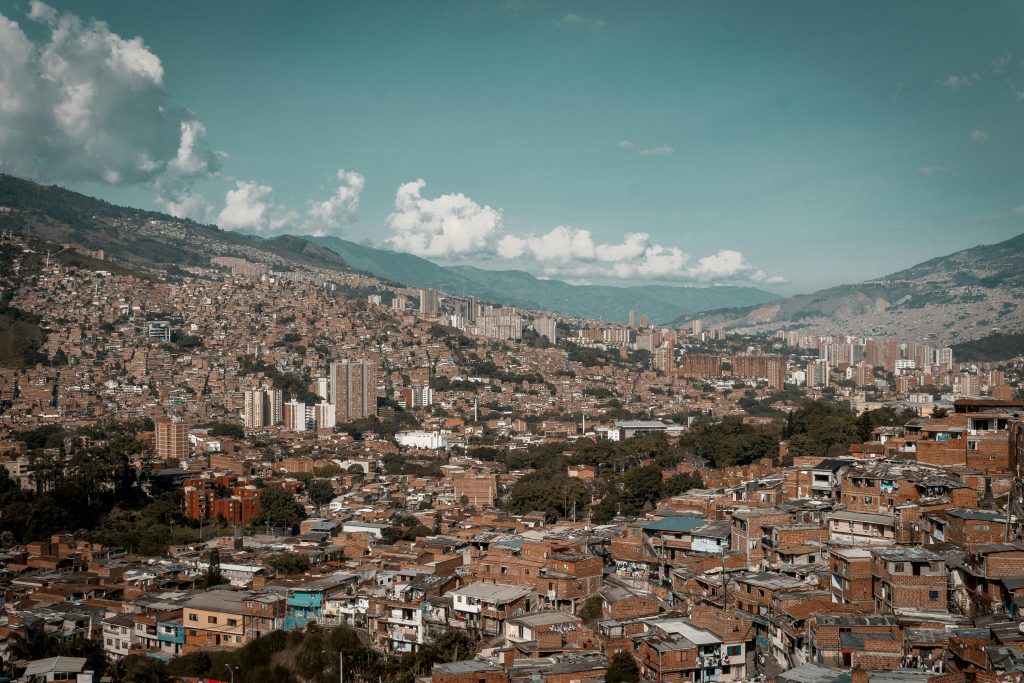
Medellín posts the highest growth rate in Colombia, climbing 17 spots to 145th globally and entering the global top 150 for the first time. Regionally, it rises to 6th place in Latin America, moving closer to the top 5 after joining the regional top 10 in 2023. The city’s progress is supported by Ruta N, a leading innovation hub that also hosts the World Economic Forum’s Centre for the Fourth Industrial Revolution (C4IR). Combined with strong municipal backing and international appeal, Medellín is consolidating its role as one of Latin America’s emerging startup powerhouses.
Rio de Janeiro drops one position globally but rises to 2nd place in Brazil, overtaking Curitiba. Despite this, its score remains far behind São Paulo, which dominates with a score nearly eight times higher. Rio’s decline is milder than Curitiba’s, which recorded the weakest growth rate among Brazil’s top ecosystems.
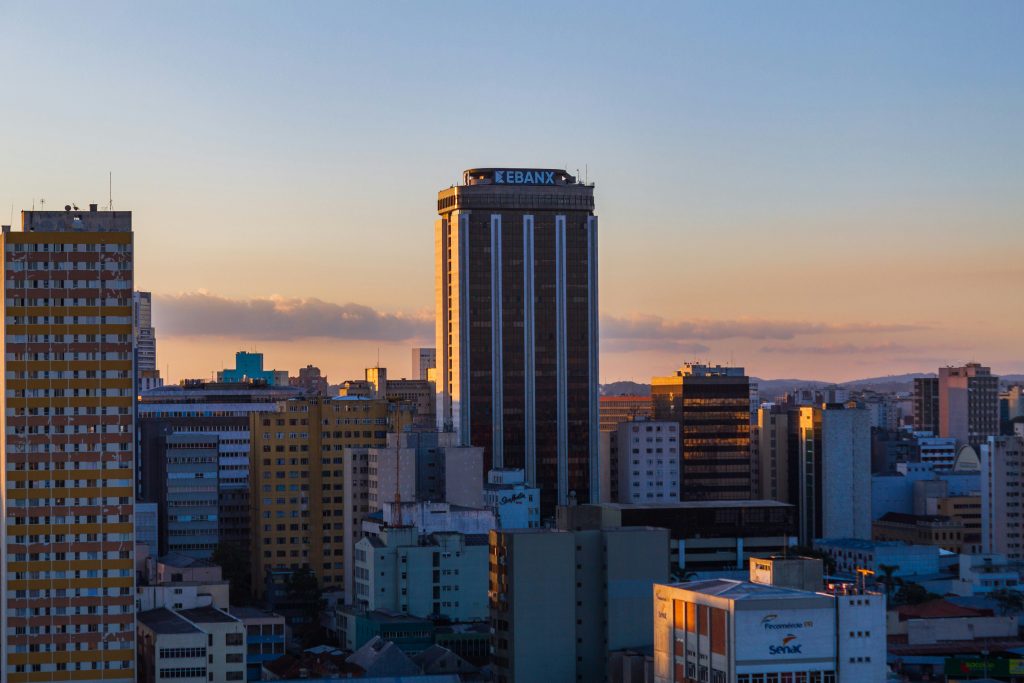
Curitiba drops 12 positions to its lowest rank since 2020, recording the weakest growth rate among Brazil’s top 10 ecosystems. Despite being home to the Agência Curitiba de Desenvolvimento e Inovação and maintaining a strong role in regional innovation, the city’s momentum has slowed, limiting its ability to keep pace with Brazil’s other leading hubs.
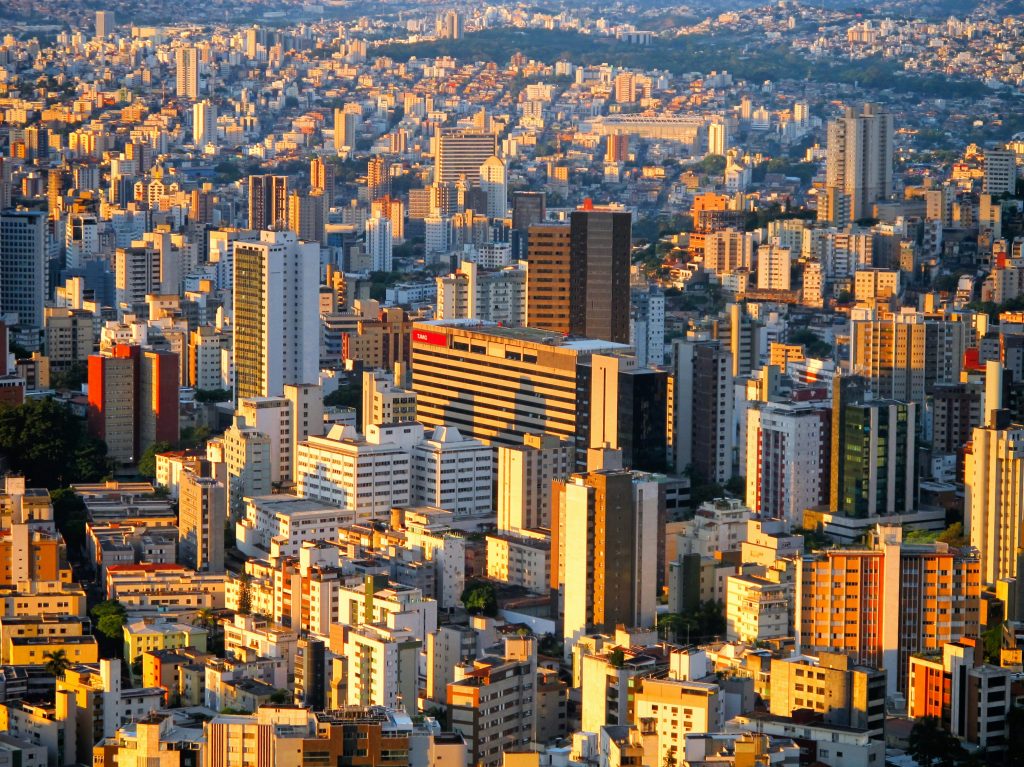
Belo Horizonte maintains its position among Brazil’s top five ecosystems, though its growth remains below the national average. The city is recognized for its strong academic base and connections to major corporations, yet slower momentum has kept it from advancing significantly in the global rankings.
Lima climbs nine spots to 182nd globally, marking a return to Latin America’s top 10 ecosystems after a two-year absence. The city’s growth rate above 30% is among the highest in the region, highlighting its renewed momentum after several years of stagnation. As Peru’s dominant hub, Lima continues to centralize the country’s startup activity, with a score nearly 80 times higher than Arequipa’s.
Conclusion
Latin America’s startup scene shows a mix of stability and emerging growth. Major hubs such as São Paulo and Mexico City continue to dominate, while rising ecosystems like Medellín and Lima highlight the region’s evolving landscape. Despite challenges with consistency in growth, Latin America remains a dynamic and expanding region in the global innovation economy, with the Top Cities for Startups in LATAM leading the way.
For a full overview of more than 1,000 ranked ecosystems worldwide, including deeper insights into African cities, download the Global Startup Ecosystem Index 2025.