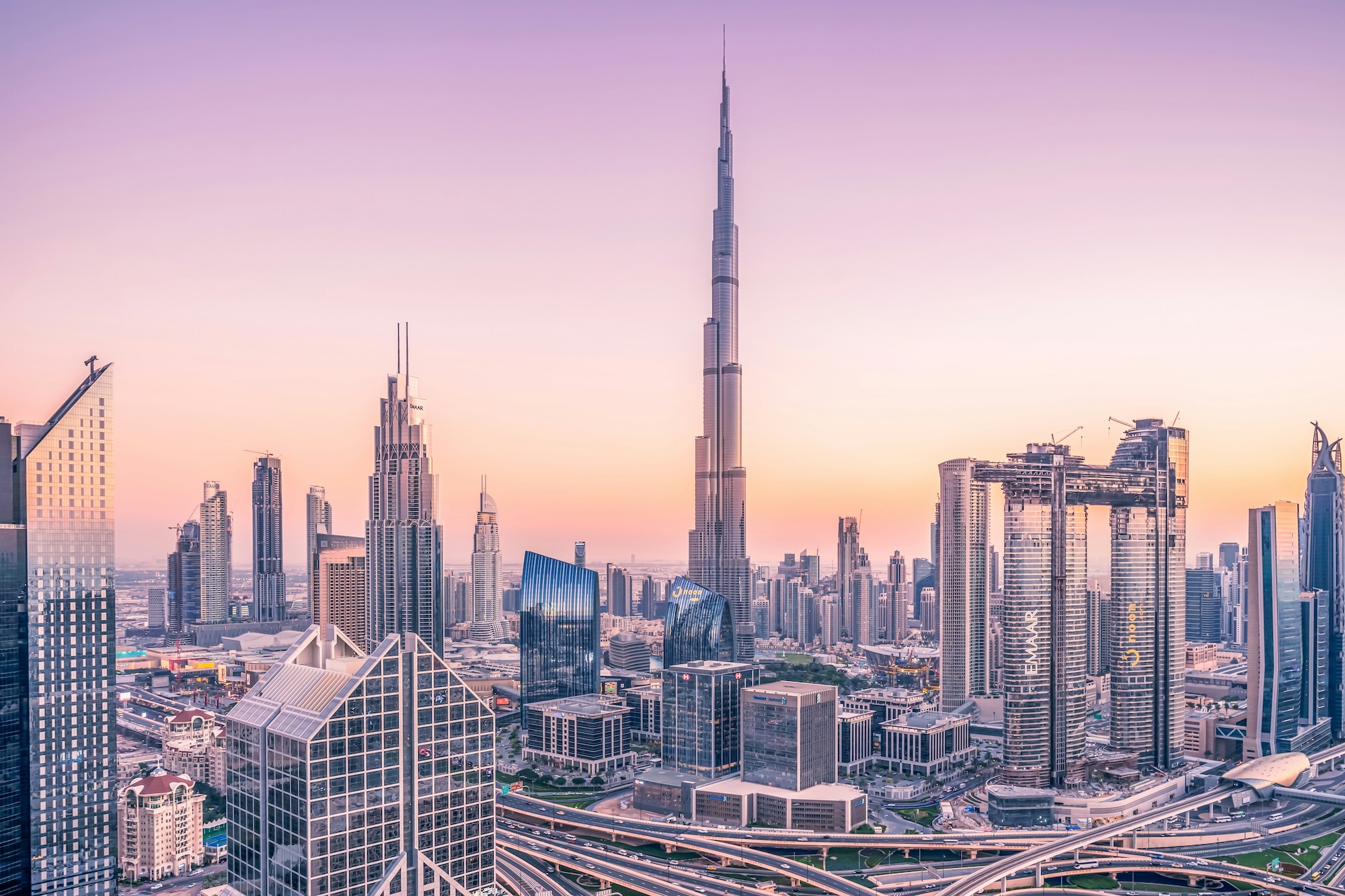

The best startup ecosystems in the Middle East in 2026 show where startup activity, investment, innovation, and ecosystem support are strongest across the region. Based on the StartupBlink Global Startup Ecosystem Index 2026, this ranking highlights the leading startup countries and startup cities in the Middle East, helping founders, investors, and ecosystem builders understand where the region’s strongest startup hubs are located.
Because startup ecosystem strength is not always concentrated in the same way, this article looks at both countries and cities. Country rankings capture national startup ecosystem performance, while city rankings measure the absolute strength of individual startup hubs.
In 2026, Israel is the top startup country in the Middle East, while Tel Aviv Area is the top startup city. Saudi Arabia records the fastest growth among the regional top 10 countries and leads the GCC, while Riyadh records the fastest growth among the top 10 cities and receives the GSEI 2026 City of the Year award.
Want to see rankings beyond the top 10?
Best Startup Countries in the Middle East in 2026
| Middle East Rank |
Country | Total Score |
Annual Growth |
Global Rank |
Ecosystem Value |
|---|---|---|---|---|---|
| 1— | Israel | 71.462 | +15.0% | 3— | US$ 335.1B |
| 2▲1 | Saudi Arabia | 13.058 | +97.0% | 28▲10 | US$ 41.3B |
| 3▼1 | UAE | 11.863 | -27.5% | 30▼9 | US$ 79.2B |
| 4— | Bahrain | 2.399 | +2.6% | 64▼2 | US$ 1.5B |
| 5— | Jordan | 1.693 | +41.2% | 68▲1 | US$ 5.7B |
| 6— | Qatar | 1.384 | +43.5% | 73▲3 | US$ 625.0M |
| 7— | Lebanon | 1.103 | +15.4% | 83▼6 | US$ 486.8M |
| 8— | Kuwait | 0.978 | +47.9% | 89— | US$ 569.7M |
| 9— | Oman | 0.499 | +42.8% | 99— | US$ 94.4M |
| 10— | Iran | 0.384 | +54.4% | 103— | US$ 207.0M |
Israel remains the Middle East’s leading startup country and ranks third globally. Its total score is about 447% higher than second place, leaving a substantial gap at the top of the regional ranking.
The strongest movement comes from Saudi Arabia, which grows 97.0%, climbs 10 global places to 28th, and reaches its highest position in the 2021–2026 period. That growth moves Saudi Arabia above the United Arab Emirates into second place in the Middle East, and it is now the highest-ranked startup ecosystem in the GCC. The two are separated by 10.1%, the narrowest gap between any adjacent countries in the regional top 10. That closeness stands out. Israel’s score is about 447% higher than second place, while third place is about 395% higher than fourth.
More broadly, growth extends through much of the ranking. Nine of the Middle East’s top 10 countries record positive annual growth, and six grow by more than 40%: Saudi Arabia, Jordan, Qatar, Kuwait, Oman, and Iran. Bahrain remains fourth in the region, while Jordan, Qatar, and Lebanon follow in fifth through seventh.
Meanwhile, ecosystem Value provides another view of scale. Israel has the region’s largest at US$335.1 billion, followed by the United Arab Emirates at US$79.2 billion and Saudi Arabia at US$41.3 billion. GCC countries occupy six of the regional top 10 positions.
Top 10 Startup Countries in the Middle East in 2026
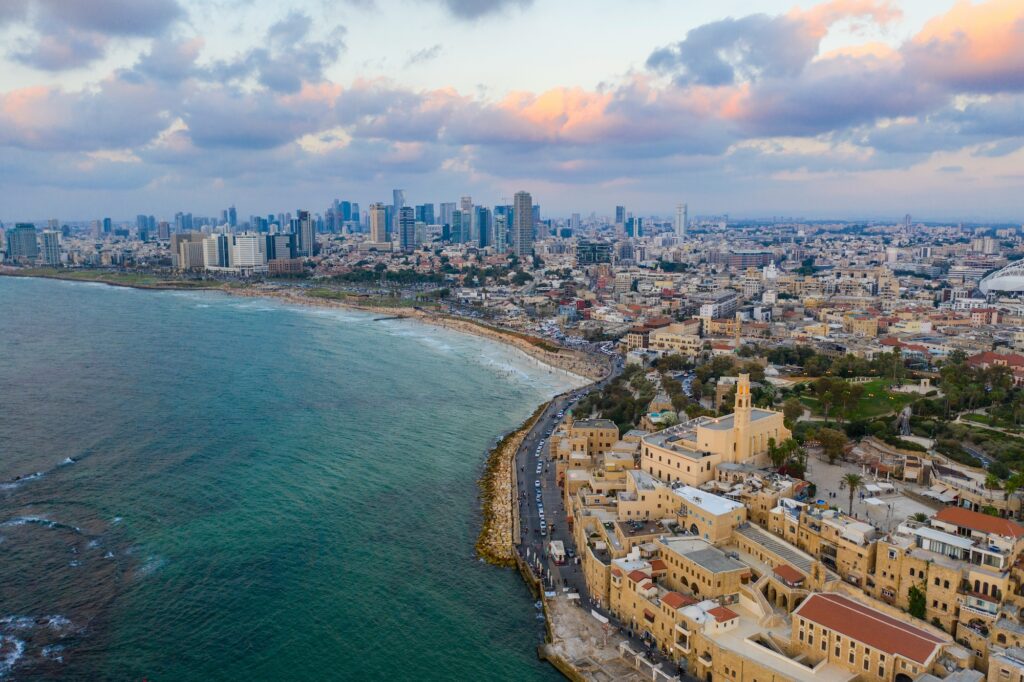
1. Israel
Middle East rank: 1 • Global rank: 3 (—) • Total score: 71.462 • Annual growth: +15.0%
Israel remains the Middle East’s leading startup country and holds third place globally for a sixth consecutive year. Its 15.0% annual growth maintains a substantial regional lead, with its score about 447% higher than second place. Israel also has the Middle East’s largest Ecosystem Value at US$335.1 billion. At city level, Tel Aviv Area, Jerusalem, and Haifa all rank in the regional top 10, giving the country three of the Middle East’s leading startup hubs.
2. Saudi Arabia
Middle East rank: 2 (▲1) • Global rank: 28 (▲10) • Total score: 13.058 • Annual growth: +97.0%
Saudi Arabia records the fastest growth among the Middle East’s top 10 countries at 97.0%, climbs 10 global places to 28th, and moves up to second in the regional ranking. This is its highest global position in the 2021–2026 period and makes Saudi Arabia the leading startup ecosystem in the GCC, moving above the United Arab Emirates into second place with a 10.1% lead in total score. The country has an Ecosystem Value of US$41.3 billion, while Riyadh, Jeddah, and Dammam all rank in the Middle East city top 10 and each records annual growth above 40%.
3. United Arab Emirates
Middle East rank: 3 (▼1) • Global rank: 30 (▼9) • Total score: 11.863 • Annual growth: -27.5%
The United Arab Emirates ranks third in the Middle East and remains inside the global top 30 at 30th. It holds the region’s second-largest Ecosystem Value at US$79.2 billion. It is also one of only two Middle Eastern countries with two cities in the regional top five: Dubai at 48th globally and Abu Dhabi at fifth regionally. However, its total score declines 27.5% in 2026, and its global rank falls nine places, while Saudi Arabia’s 97.0% growth lifts it into second place in the regional ranking.
4. Bahrain
Middle East rank: 4 • Global rank: 64 (▼2) • Total score: 2.399 • Annual growth: +2.6%
Bahrain remains fourth in the Middle East and ranks 64th globally after 2.6% annual growth. Its global position falls two places from 2025, but the country has remained within a relatively narrow range of 60th to 67th globally since 2021. Bahrain’s Ecosystem Value stands at US$1.5 billion, and it ranks third among GCC ecosystems behind Saudi Arabia and the United Arab Emirates.
5. Jordan
Middle East rank: 5 • Global rank: 68 (▲1) • Total score: 1.693 • Annual growth: +41.2%
Jordan grows 41.2% and climbs one global place to 68th while holding fifth in the Middle East. Its global rank has stayed between 64th and 69th throughout the 2021–2026 period, while 2026 brings one of its strongest annual growth results in that span. At city level, Amman remains the country’s main ranked hub. It places seventh in the Middle East and rising eight global positions after 36.2% city-level growth.
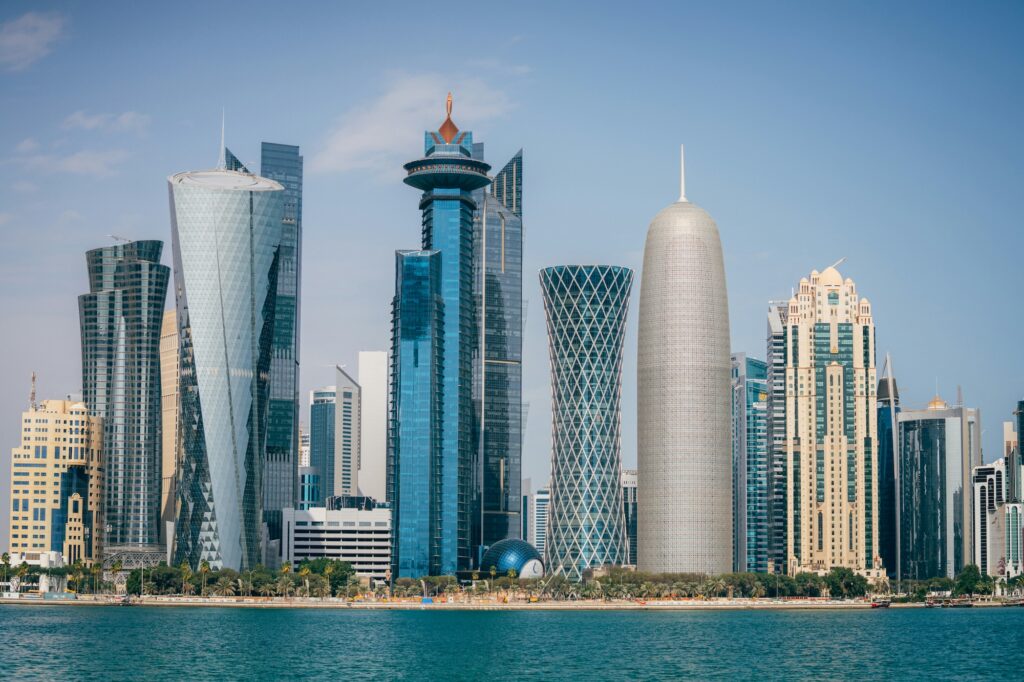
6. Qatar
Middle East rank: 6 • Global rank: 73 (▲3) • Total score: 1.384 • Annual growth: +43.5%
Qatar records 43.5% annual growth and climbs three places to 73rd globally. The country has improved from 84th in 2021, giving it one of the clearer multi-year upward movements in the middle of the regional ranking. Doha provides the strongest city-level movement associated with Qatar in 2026, growing 77.5% and climbing 66 global places to 358th.
7. Lebanon
Middle East rank: 7 • Global rank: 83 (▼6) • Total score: 1.103 • Annual growth: +15.4%
Lebanon records 15.4% annual growth but falls six global places to 83rd in 2026. Its city-level result moves in a different direction: Beirut grows 46.3%, climbs 36 global places, and rises four regional positions to enter the Middle East city top 10. Beirut accounts for all of Lebanon’s ranked city-level startup activity.
8. Kuwait
Middle East rank: 8 • Global rank: 89 (—) • Total score: 0.978 • Annual growth: +47.9%
Kuwait records 47.9% annual growth, one of the strongest rates in the regional top 10, while holding 89th globally. Its longer-term global position has improved from 99th in 2022. Kuwait is one of six GCC countries in the Middle East top 10 and one of four GCC ecosystems in that group to record annual growth above 40% in 2026.
9. Oman
Middle East rank: 9 • Global rank: 99 (—) • Total score: 0.499 • Annual growth: +42.8%
Oman remains 99th globally for a second consecutive year while recording 42.8% annual growth. The country entered the global ranking at 99th in 2025 and remains inside the top 100 in its second ranked year. Oman is also one of the six GCC countries represented in the Middle East top 10 and one of the region’s six countries growing by more than 40% in 2026.
10. Iran
Middle East rank: 10 • Global rank: 103 (—) • Total score: 0.384 • Annual growth: +54.4%
Iran completes the Middle East top 10 with 54.4% annual growth, the second-fastest rate in the group after Saudi Arabia, while holding 103rd globally. Its global position is six places higher than in 2021. Tehran sits just outside the regional city top 10 at 11th and climbs 20 global places to 348th after 36.0% city-level growth.
Want to see where every country ranks?
Best Startup Cities in the Middle East in 2026
| Middle East Rank |
City | Total Score |
Annual Growth |
Global Rank |
|---|---|---|---|---|
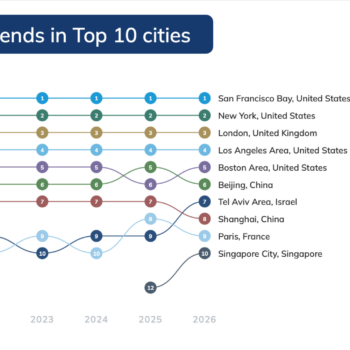
| 1— | Tel Aviv AreaIsrael | 86.714 | +9.8% | 7▲2 |
| 2▲1 | RiyadhSaudi Arabia | 25.787 | +117.6% | 42▲30 |
| 3▼1 | DubaiUnited Arab Emirates | 21.901 | +6.9% | 48▼4 |
| 4— | JerusalemIsrael | 10.390 | +18.9% | 93▲9 |
| 5▲1 | Abu DhabiUnited Arab Emirates | 4.636 | +14.2% | 173▲2 |
| 6▼1 | HaifaIsrael | 4.284 | -2.1% | 185▼15 |
| 7— | AmmanJordan | 2.811 | +36.2% | 237▲8 |
| 8— | JeddahSaudi Arabia | 2.677 | +41.0% | 241▲14 |
| 9▲3 | DammamSaudi Arabia | 1.895 | +49.2% | 300▲33 |
| 10▲4 | BeirutLebanon | 1.518 | +46.3% | 341▲36 |
Tel Aviv Area remains the Middle East’s highest-ranked startup city and climbs two places to seventh globally. Its score is about 236% higher than second place, maintaining a wide lead at the top of the city ranking.
The largest movement in the top 10 comes from Riyadh, which grows 117.6%, climbs 30 global places to 42nd, and moves above Dubai into second place in the Middle East. Riyadh now leads Dubai by 17.7% and is the highest-ranked startup city in the GCC. The change mirrors the country ranking, where Saudi Arabia also moves ahead of the United Arab Emirates, making the shift visible at both country and city level in the same year.
Saudi Arabia and Israel each place three cities in the Middle East top 10, while the United Arab Emirates places two. Further down the ranking, Dammam enters the regional top 10 at ninth after 49.2% growth. Beirut also enters at tenth after 46.3% growth, while Jerusalem climbs into the global top 100.
Outside the regional top 10, Doha stands out with 77.5% growth and a 66-place global rise. Its growth rate is higher than every city in the Middle East top 10 except Riyadh’s.
Top 10 Startup Cities in the Middle East in 2026
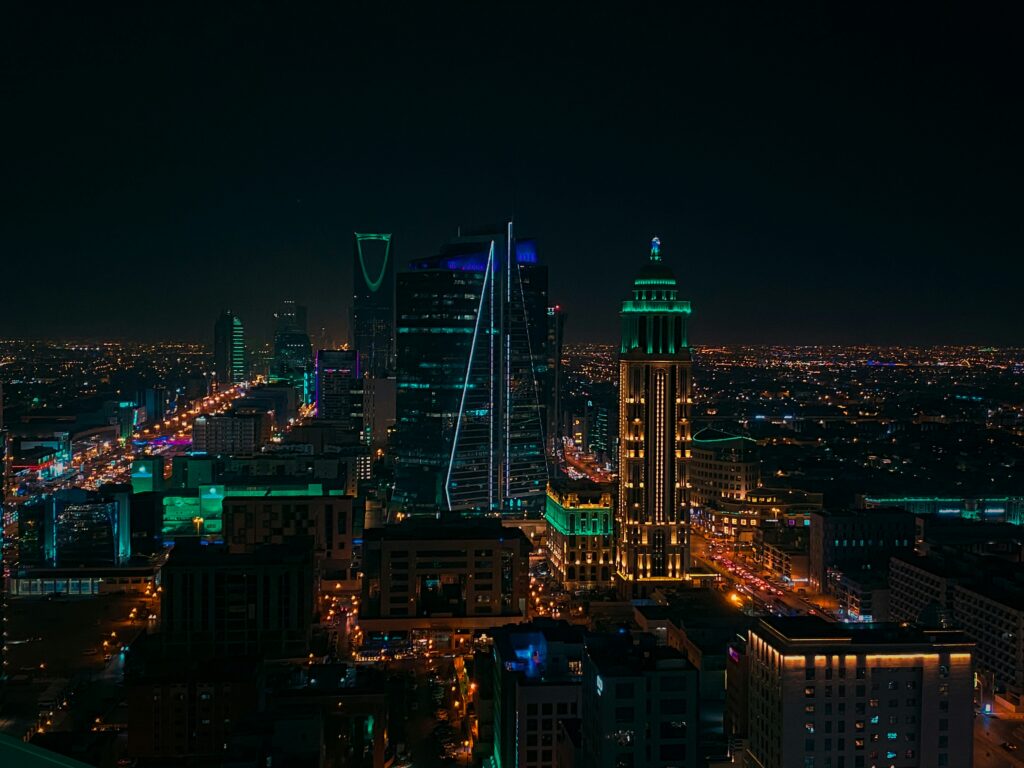
1. Tel Aviv Area, Israel
Middle East rank: 1 • Global rank: 7 (▲2) • Total score: 86.714 • Annual growth: +9.8%
Tel Aviv Area remains the Middle East’s leading startup city and climbs two global places to seventh after 9.8% annual growth. Its score is about 236% higher than second place, leaving a substantial gap at the top of the regional city ranking. Tel Aviv Area accounts for 81.2% of Israel’s ranked city-level startup activity, while Jerusalem and Haifa give Israel two additional cities in the Middle East top 10.
2. Riyadh, Saudi Arabia
Middle East rank: 2 (▲1) • Global rank: 42 (▲30) • Total score: 25.787 • Annual growth: +117.6%
Riyadh records the fastest growth among the Middle East’s top 10 cities at 117.6%, climbs 30 global places to 42nd, and moves up one regional position to second. It is the highest-ranked startup city in the GCC and receives the GSEI 2026 City of the Year award. Its rise takes it above Dubai, which it now leads by 17.7%. Riyadh accounts for 81.1% of Saudi Arabia’s ranked city-level startup activity, while Jeddah and Dammam also place in the regional top 10.
3. Dubai, United Arab Emirates
Middle East rank: 3 (▼1) • Global rank: 48 (▼4) • Total score: 21.901 • Annual growth: +6.9%
Dubai ranks third in the Middle East and 48th globally after 6.9% annual growth. It remains the UAE’s highest-ranked city and one of only two Middle Eastern cities outside Israel in the global top 50. It falls one regional place as Riyadh rises above it and drops four places globally in 2026. Dubai accounts for 79.9% of the United Arab Emirates’ ranked city-level startup activity, while Abu Dhabi gives the country a second city among the Middle East’s top five.
4. Jerusalem, Israel
Middle East rank: 4 • Global rank: 93 (▲9) • Total score: 10.390 • Annual growth: +18.9%
Jerusalem holds fourth place in the Middle East after 18.9% annual growth and climbs nine global positions to 93rd, entering the global top 100. Its score is about 124% higher than Abu Dhabi’s in fifth, creating the largest percentage gap between adjacent cities in the middle of the regional top 10. Jerusalem accounts for 9.7% of Israel’s ranked city-level startup activity.
5. Abu Dhabi, United Arab Emirates
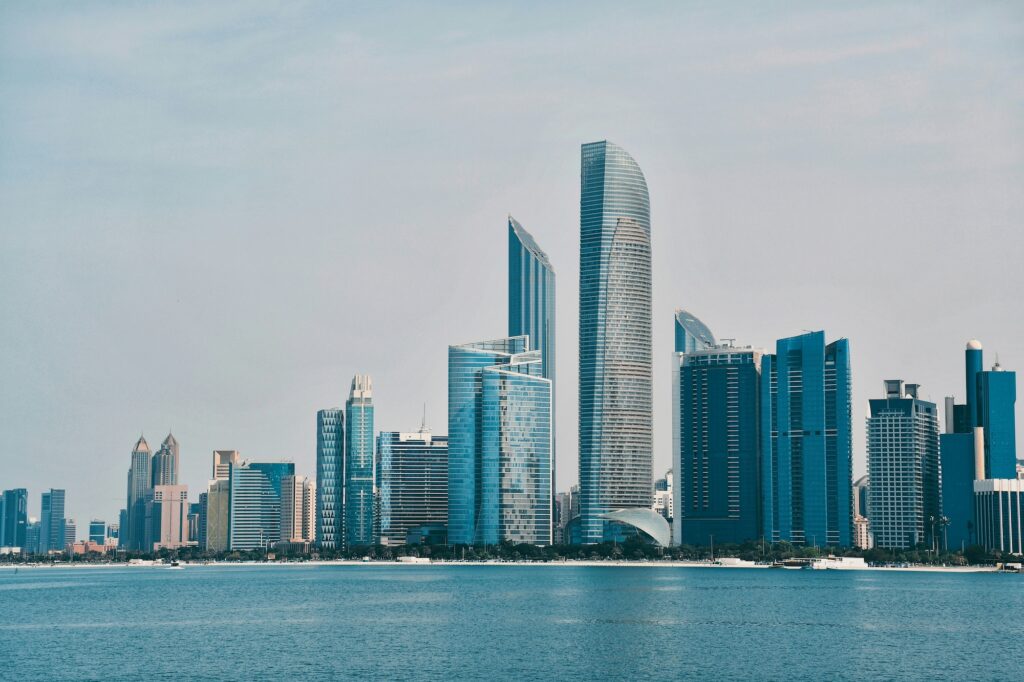
Middle East rank: 5 (▲1) • Global rank: 173 (▲2) • Total score: 4.636 • Annual growth: +14.2%
Abu Dhabi grows 14.2%, climbs two global places to 173rd, and moves up one regional position to fifth. The city sits 55.4% below Jerusalem in fourth and 8.2% above Haifa in sixth. Abu Dhabi accounts for 16.9% of the United Arab Emirates’ ranked city-level startup activity and joins Dubai in the regional top five.
6. Haifa, Israel
Middle East rank: 6 (▼1) • Global rank: 185 (▼15) • Total score: 4.284 • Annual growth: -2.1%
Haifa is the only city in the Middle East top 10 to record negative annual growth in 2026. It declines 2.1%, falls 15 global places to 185th, and moves down one regional position to sixth. Haifa still gives Israel a third city in the regional top 10 and accounts for 4.0% of the country’s ranked city-level startup activity.
7. Amman, Jordan
Middle East rank: 7 • Global rank: 237 (▲8) • Total score: 2.811 • Annual growth: +36.2%
Amman holds seventh place in the Middle East after 36.2% growth and climbs eight global positions to 237th. Its score is about 5.0% higher than Jeddah’s in eighth, leaving the two cities closely matched. Amman represents all of Jordan’s ranked city-level startup activity and remains the highest-ranked Middle Eastern city outside Israel and the GCC in the regional top 10.
8. Jeddah, Saudi Arabia
Middle East rank: 8 • Global rank: 241 (▲14) • Total score: 2.677 • Annual growth: +41.0%
Jeddah remains eighth in the Middle East after 41.0% annual growth and climbs 14 global places to 241st. It stays close to Amman directly above it and accounts for 8.4% of Saudi Arabia’s ranked city-level startup activity. Together with Riyadh and Dammam, Jeddah gives Saudi Arabia three cities in the Middle East top 10, all growing by more than 40% in 2026.
9. Dammam, Saudi Arabia
Middle East rank: 9 (▲3) • Global rank: 300 (▲33) • Total score: 1.895 • Annual growth: +49.2%
Dammam enters the Middle East top 10 after 49.2% annual growth, climbing three regional positions to ninth and 33 global places to 300th. Its growth is the second fastest among the regional top 10 cities after Riyadh. Dammam accounts for 6.0% of Saudi Arabia’s ranked city-level startup activity and expands the country’s top-10 representation beyond Riyadh and Jeddah.
10. Beirut, Lebanon
Middle East rank: 10 (▲4) • Global rank: 341 (▲36) • Total score: 1.518 • Annual growth: +46.3%
Beirut enters the Middle East top 10 after 46.3% annual growth, rising four regional places and 36 global places to 341st. The city accounts for all of Lebanon’s ranked city-level startup activity. Its city-level rise contrasts with Lebanon’s country ranking, which moves down six global places despite positive annual growth.
Notable City Beyond the Top 10: Doha, Qatar
Middle East rank: 12 (▲4) • Global rank: 358 (▲66) • Total score: 1.393 • Annual growth: +77.5%
Doha stands out beyond the regional top 10 with 77.5% annual growth and a 66-place global climb to 358th. Its growth rate is higher than every city in the Middle East top 10 except Riyadh. Doha accounts for all of Qatar’s ranked city-level startup activity, and its movement accompanies Qatar’s 43.5% country-level growth and three-place global rise in 2026.
How Startup Ecosystems in the Middle East Are Ranked
The Global Startup Ecosystem Index ranks 120 countries and more than 1,500 cities using measurable data on startup activity, outcomes, investment, exits, unicorns, business conditions, and related indicators. Total score is the primary measure of the ranking, and annual growth shows how each score has moved over the past year.
Country and city rankings use different algorithms. Country scores are adjusted for population, while city scores measure the absolute strength of a hub, so a country’s rank and the rank of its leading city should be read separately rather than mapped directly onto one another.
National share, cited throughout this article, measures how much of a country’s ranked city-level startup activity is represented by a single city. It is calculated from the combined total scores of that country’s ranked cities, not from the country’s own total score. Ecosystem Value adds a further lens, estimating the combined value of a country’s startups alongside rank and annual growth.
The Middle East is a segment within the broader Middle East & Africa region in the Index. The rankings in this article cover the 11 Middle Eastern countries and 40 Middle Eastern cities included in the 2026 edition, with 33 of those cities in the global top 1,000 and 17 in the top 500.
Conclusion
Israel and Tel Aviv Area remain the leading startup ecosystems in the Middle East in 2026. Saudi Arabia records the fastest growth among the regional top 10 countries and moves into second place ahead of the United Arab Emirates, while Riyadh grows fastest among the top 10 cities, moves above Dubai into second, and receives the GSEI 2026 City of the Year award.
Elsewhere in the ranking, Qatar and Doha record strong growth, while Dammam and Beirut enter the regional city top 10. Nine of the Middle East’s top 10 countries record positive annual growth in 2026.
Want to explore the full Middle East startup ecosystem rankings beyond the top 10?