
The best startup ecosystems in Africa in 2026 show where startup activity, investment, innovation, and ecosystem support are strongest across the continent. Based on the StartupBlink Global Startup Ecosystem Index 2026, this ranking highlights Africa’s leading startup countries and startup cities, helping founders, investors, and ecosystem builders understand where the continent’s strongest startup hubs are located.
Because startup ecosystem strength is not always concentrated in the same way, this article looks at both countries and cities. Country rankings capture national startup ecosystem performance, while city rankings measure the absolute strength of individual startup hubs.
In 2026, South Africa is the top startup country in Africa, while Lagos is the top startup city. Tunisia records the fastest growth among Africa’s top 10 countries, while Cape Town grows fastest among the top 10 cities.
Want to see rankings beyond the top 10?
Top Startup Countries in Africa in 2026
| Africa Rank |
Country | Total Score |
Annual Growth |
Global Rank |
Ecosystem Value |
|---|---|---|---|---|---|
| 1— | South Africa | 5.156 | +31.3% | 52— | US$ 14.3B |
| 2— | Kenya | 2.757 | -0.2% | 61▼3 | US$ 12.8B |
| 3▲1 | Nigeria | 2.743 | +31.8% | 62▲4 | US$ 20.0B |
| 4▼1 | Egypt | 2.232 | +4.7% | 65— | US$ 10.6B |
| 5— | Cape Verde | 1.370 | +31.3% | 74▲1 | US$ 48.3M |
| 6▲1 | Tunisia | 1.074 | +36.6% | 84▼2 | US$ 2.8B |
| 7NEW | Mauritius | 1.068 | n.a. | 85NEW | US$ 167.2M |
| 8▼2 | Ghana | 1.004 | +25.5% | 87▼6 | US$ 2.9B |
| 9— | Morocco | 0.899 | +30.7% | 90▼2 | US$ 1.1B |
| 10▼2 | Namibia | 0.804 | +8.2% | 94▼9 | US$ 508.6M |
South Africa remains Africa’s leading startup country by a wide margin, with a total score 87% higher than Kenya’s. The ranking becomes much tighter directly below it: Kenya remains second, but its score is only 0.5% higher than Nigeria’s after Nigeria grew 31.8% and climbed four global places. Nigeria’s rise also moves it above Egypt into third place.
Further down the ranking, Tunisia records the fastest growth among the top 10 at 36.6% and moves up to sixth in Africa. Mauritius returns to the Index at seventh after being unranked in 2025, while Cape Verde holds fifth and reaches its highest global position in the 2021–2026 period.
Overall, Africa’s ranked startup countries hold about US$86 billion in combined Ecosystem Value, with Nigeria and South Africa together accounting for roughly 40% of the total.
Startup Ecosystem Growth Across Africa’s Subregions
Africa is reported within a combined Middle East and Africa region in the Index, but aggregating the continent’s five subregions shows that African startup ecosystems grew about 26% in 2026.
| Subregion | 2025 Score |
2026 Score |
Ecosystem Growth |
|---|---|---|---|
| Southern Africa | 4.972 | 6.360 | +27.9% |
| Western Africa | 4.666 | 5.870 | +25.8% |
| Eastern Africa | 4.250 | 5.497 | +29.3% |
| Northern Africa | 3.781 | 4.448 | +17.6% |
| Central Africa | 0.344 | 0.525 | +52.6% |
| Africa (total) | 18.013 | 22.700 | +26.0% |
Southern Africa remains the continent’s largest subregion by total score. Eastern Africa grows 29.3%, the fastest rate among the three largest subregions, while Central Africa records the highest growth overall at 52.6% from a much smaller base. Northern Africa grows 17.6%, the lowest rate among the five subregions.
Top 10 Startup Countries in Africa in 2026
1. South Africa
Africa rank: 1 • Global rank: 52 (—) • Total score: 5.156 • Annual growth: +31.3%
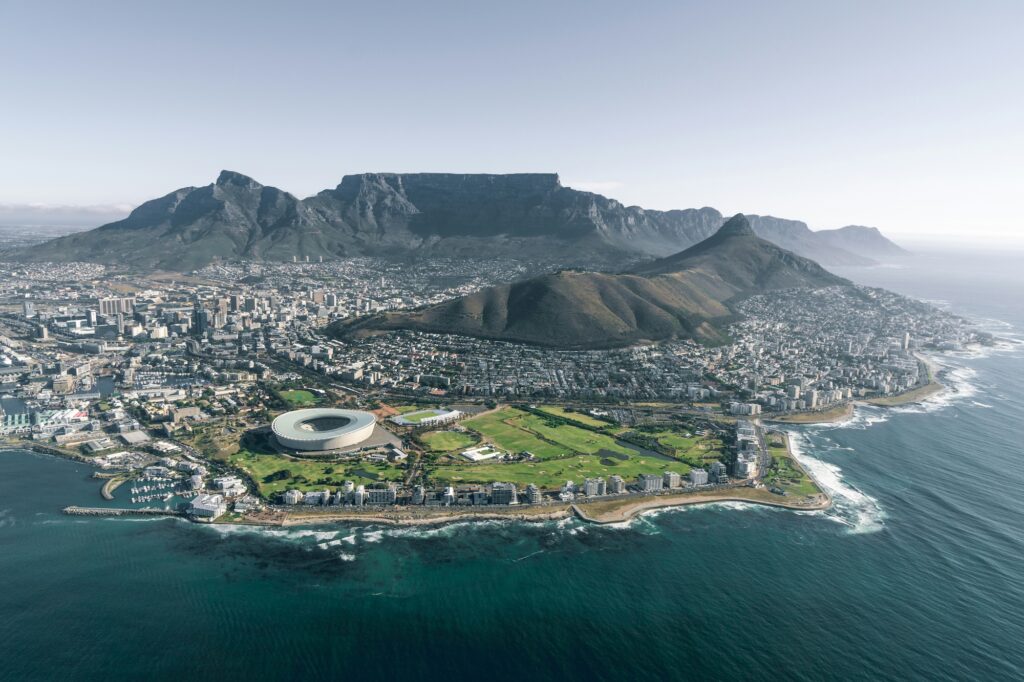
South Africa remains Africa’s leading startup country and holds 52nd globally for a third consecutive year. Its 31.3% annual growth leaves its score 87% higher than Kenya’s in second place. South Africa also has two cities in Africa’s top five: Cape Town and Johannesburg. That city-level depth distinguishes it from several other leading African countries whose ranked activity is concentrated much more heavily in one hub. Its Ecosystem Value stands at US$14.3 billion, the second highest in Africa.
2. Kenya
Africa rank: 2 • Global rank: 61 (▼3) • Total score: 2.757 • Annual growth: -0.2%
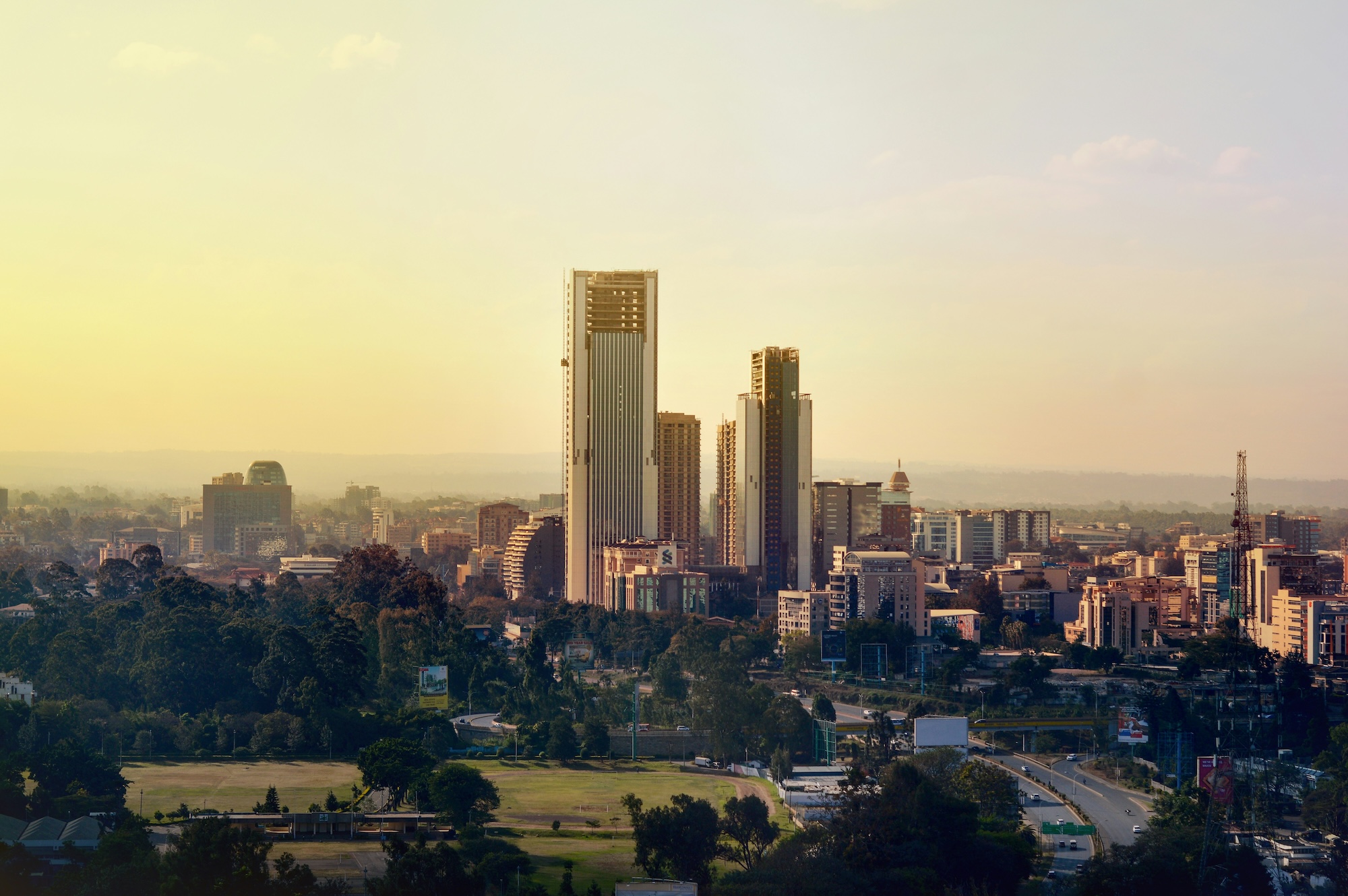
Kenya remains second in Africa, but the gap to Nigeria has narrowed to just 0.5%. Kenya records -0.2% annual growth and falls three global places to 61st after reaching 58th in 2025. Nairobi remains the country’s main ranked hub, accounting for 96.0% of Kenya’s ranked city-level startup activity and ranking fourth in Africa. Kenya’s Ecosystem Value of US$12.8 billion remains the third highest on the continent.
3. Nigeria
Africa rank: 3 (▲1) • Global rank: 62 (▲4) • Total score: 2.743 • Annual growth: +31.8%
Nigeria moves up to third in Africa after 31.8% growth and a four-place global rise to 62nd, passing Egypt in the regional ranking. Its score is now only 0.5% below Kenya’s in second. Nigeria also has Africa’s highest Ecosystem Value at US$20.0 billion, despite ranking third by total score. Lagos remains the continent’s highest-ranked startup city at 70th globally and accounts for 76.7% of Nigeria’s ranked city-level startup activity.
4. Egypt
Africa rank: 4 (▼1) • Global rank: 65 (—) • Total score: 2.232 • Annual growth: +4.7%
Egypt holds 65th globally for a second year but moves from third to fourth in Africa after Nigeria rises above it. The country records 4.7% growth in 2026 and has an Ecosystem Value of US$10.6 billion, the fourth highest among African countries. Cairo remains the country’s leading hub and ranks second in Africa at 99th globally, making Egypt one of only two African countries with a city in the global top 100.
5. Cape Verde
Africa rank: 5 • Global rank: 74 (▲1) • Total score: 1.370 • Annual growth: +31.3%
Cape Verde holds fifth place in Africa after 31.3% annual growth and rises one global position to 74th. This is its highest global rank in the 2021–2026 period, improving from 87th in 2021. Its Ecosystem Value of US$48.3 million is the smallest in Africa’s top 10, illustrating the difference between the population-adjusted country ranking and the accumulated value of a startup economy.
6. Tunisia
Africa rank: 6 (▲1) • Global rank: 84 (▼2) • Total score: 1.074 • Annual growth: +36.6%
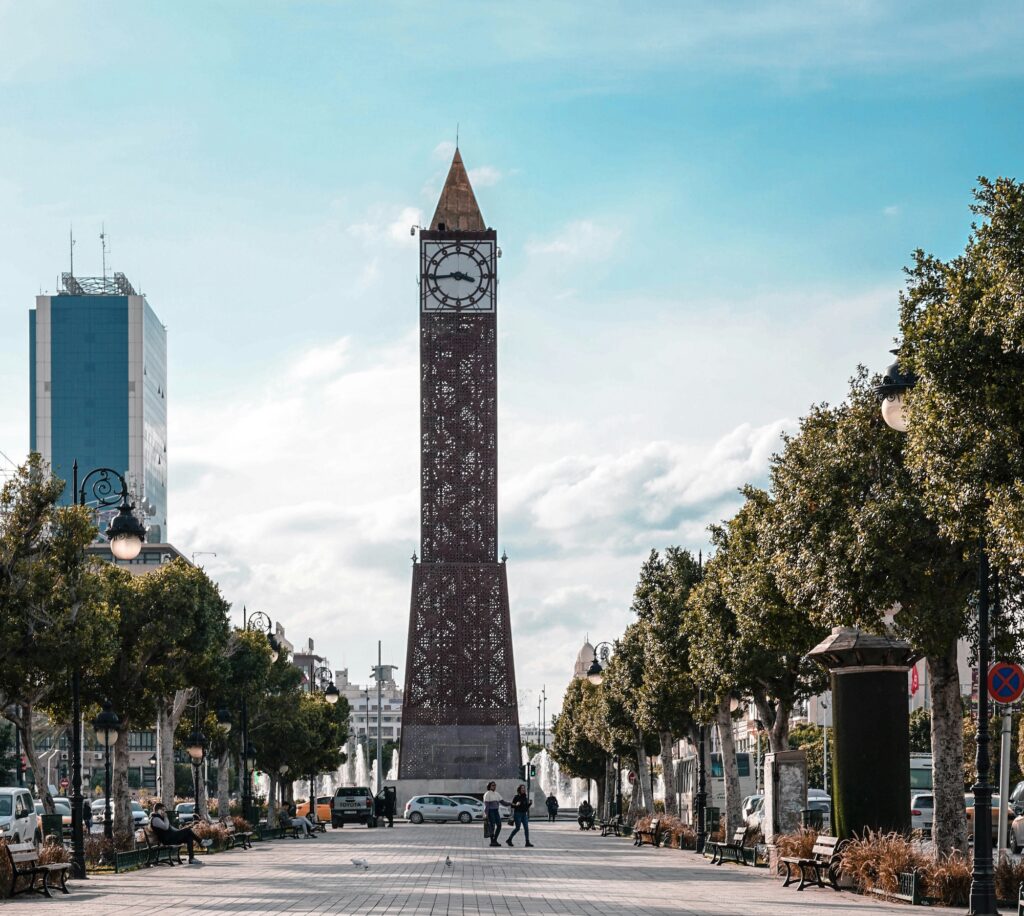
Tunisia records the fastest annual growth among Africa’s top 10 countries at 36.6% and moves up one place to sixth in the continental ranking. Its global rank falls two places to 84th, showing how positive growth can still coincide with a lower global position when other ecosystems grow faster. Tunisia sits at the top of a tight group: its score is only 0.6% higher than Mauritius and 7.0% higher than Ghana. Tunis also remains in Africa’s city top 10.
7. Mauritius
Africa rank: 7 • Global rank: 85 (NEW) • Total score: 1.068 • Annual growth: n.a.
Mauritius returns to the Index at 85th globally and seventh in Africa after being unranked in 2025. Before that absence, it ranked as high as 59th globally in 2024. Its return places it directly between Tunisia and Ghana, with Tunisia only 0.6% ahead. Mauritius has an Ecosystem Value of US$167.2 million in 2026, considerably smaller than those of several African countries ranked below it.
8. Ghana
Africa rank: 8 (▼2) • Global rank: 87 (▼6) • Total score: 1.004 • Annual growth: +25.5%
Ghana grows 25.5% in 2026 but moves down two places in Africa and six places globally to 87th as other nearby ecosystems grow faster. Its Ecosystem Value reaches US$2.9 billion, slightly above Tunisia’s despite Ghana ranking two places lower. Accra remains Ghana’s leading ranked city and places sixth in Africa, where it marks the beginning of a second group below the continent’s five highest-scoring hubs.
9. Morocco
Africa rank: 9 • Global rank: 90 (▼2) • Total score: 0.899 • Annual growth: +30.7%
Morocco remains ninth in Africa after 30.7% growth, while falling two global places to 90th. Its score is 11.8% higher than Namibia’s in tenth. Casablanca is Morocco’s highest-ranked city at ninth in Africa and accounts for 67.8% of the country’s ranked city-level startup activity, a lower level of concentration than in many African countries whose leading city represents more than 90% of ranked activity.
10. Namibia
Africa rank: 10 (▼2) • Global rank: 94 (▼9) • Total score: 0.804 • Annual growth: +8.2%
Namibia completes Africa’s top 10 with 8.2% annual growth, the second-lowest growth rate in the group. It falls two regional places and nine global places to 94th, the largest global ranking decline among the African top 10 countries. Even with the lower position, Namibia remains inside the global top 100 and has an Ecosystem Value of US$508.6 million.
Beyond the Top 10: Angola
Africa rank: 14 • Global rank: 107 (▲1) • Total score: 0.312 • Annual growth: +70.8%
Angola stands out beyond the top 10 with 70.8% annual growth, the fastest country-level rate in Africa in 2026. It rises one global place to 107th and remains the highest-ranked country in Central Africa. Its Ecosystem Value of US$5.2 billion is also notable for an ecosystem outside the continental top 10, exceeding the values of every African country ranked from fifth through tenth. Luanda reflects the same growth pattern at city level later in the ranking.
Want to see where every country ranks?
Best Startup Cities in Africa in 2026
| Africa Rank |
City | Total Score |
Annual Growth |
Global Rank |
|---|---|---|---|---|
| 1— | LagosNigeria | 13.826 | +23.2% | 70▲6 |
| 2— | CairoEgypt | 9.903 | +0.7% | 99▼9 |
| 3▲2 | Cape TownSouth Africa | 8.390 | +39% | 114▲24 |
| 4▼1 | NairobiKenya | 8.371 | +3.2% | 116▼9 |
| 5▼1 | JohannesburgSouth Africa | 7.757 | +8.8% | 122— |
| 6— | AccraGhana | 2.634 | +25.2% | 246▼3 |
| 7▲1 | KampalaUganda | 2.010 | +34.1% | 285▲16 |
| 8▼1 | VictoriaSeychelles | 1.984 | +24.5% | 288— |
| 9— | CasablancaMorocco | 1.708 | +23.1% | 318▼1 |
| 10— | TunisTunisia | 1.602 | +22.8% | 330▼3 |
Lagos remains Africa’s leading startup city and climbs six global places to 70th. Its score is 39.6% higher than Cairo’s in second. Cairo remains inside the global top 100 at 99th, giving Africa two cities in the global top 100 in 2026.
The largest movement in the top 10 comes from Cape Town. It grows 39.0%, climbs 24 global places, and rises two places within Africa to third. Cape Town also becomes South Africa’s highest-ranked startup city, while Nairobi moves to fourth with only a 0.2% gap between them.
A clear break appears after the top five. Accra ranks sixth, but Johannesburg’s score is about 195% higher. Below Accra, the ranking tightens again: Kampala moves ahead of Victoria after 34.1% growth, while Casablanca and Tunis complete the top 10.
Africa has 17 cities in the global top 500 and 38 in the top 1,000 out of 69 African cities in the Index. Beyond the continental top 10, Luanda records the strongest city growth among African cities in the global top 500.
Top 10 Startup Cities in Africa in 2026
1. Lagos, Nigeria
Africa rank: 1 • Global rank: 70 (▲6) • Total score: 13.826 • Annual growth: +23.2%
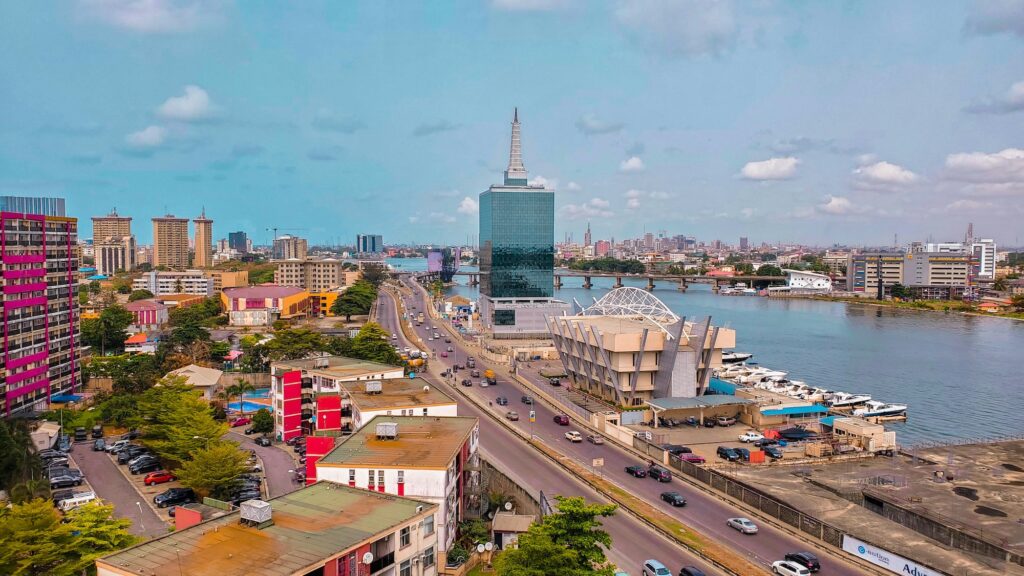
Lagos remains Africa’s leading startup city, growing 23.2% and climbing six places to 70th globally. Its score is 39.6% higher than Cairo’s in second place, giving it the clearest lead between adjacent cities in Africa’s top five. Lagos accounts for 76.7% of Nigeria’s ranked city-level startup activity and anchors a country that rises to third in Africa while also recording the continent’s highest Ecosystem Value.
2. Cairo, Egypt
Africa rank: 2 • Global rank: 99 (▼9) • Total score: 9.903 • Annual growth: +0.7%
Cairo remains second in Africa and stays inside the global top 100 at 99th, although 0.7% annual growth is accompanied by a nine-place global decline. Cairo’s score is now 18.0% higher than Cape Town’s, narrowing the separation between second and third. Cairo accounts for 94.5% of Egypt’s ranked city-level startup activity, making it by far the country’s largest ranked hub.
3. Cape Town, South Africa
Africa rank: 3 (▲2) • Global rank: 114 (▲24) • Total score: 8.390 • Annual growth: +39.0%
Cape Town records the fastest growth among Africa’s top 10 cities at 39.0%, climbing 24 global places to 114th and two places within Africa to third. The rise takes Cape Town above both Nairobi and Johannesburg, making it South Africa’s highest-ranked startup city in 2026. Its score is only 0.2% higher than Nairobi’s, leaving third and fourth as the closest pairing in the continental top 10.
4. Nairobi, Kenya
Africa rank: 4 (▼1) • Global rank: 116 (▼9) • Total score: 8.371 • Annual growth: +3.2%
Nairobi moves down one place in Africa after Cape Town passes it, while 3.2% growth is accompanied by a nine-place global decline to 116th. The city remains East Africa’s highest-ranked startup hub and sits only 0.2% behind Cape Town. Nairobi accounts for 96.0% of Kenya’s ranked city-level startup activity, closely linking the city’s position with Kenya’s second-place country ranking.
5. Johannesburg, South Africa
Africa rank: 5 (▼1) • Global rank: 122 (—) • Total score: 7.757 • Annual growth: +8.8%
Johannesburg remains 122nd globally after 8.8% growth but moves down one place within Africa. The main change is within South Africa, where Cape Town overtakes Johannesburg to become the country’s highest-ranked startup city. Johannesburg still accounts for 43.2% of South Africa’s ranked city-level startup activity, close to Cape Town’s 46.7%, giving the country two similarly weighted hubs inside Africa’s top five.
6. Accra, Ghana
Africa rank: 6 • Global rank: 246 (▼3) • Total score: 2.634 • Annual growth: +25.2%
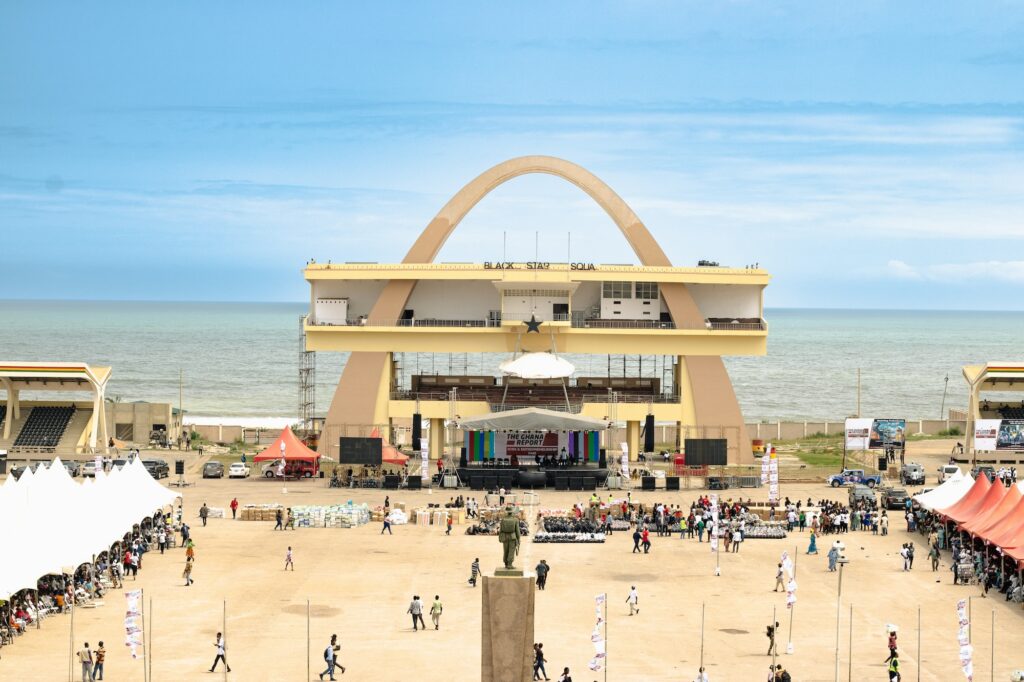
Accra holds sixth place in Africa after 25.2% growth, although it falls three global positions to 246th. Its position marks the clearest break in the continental city ranking: Johannesburg’s score is about 195% higher than Accra’s, separating Africa’s top five from the group below. Within that second group, Accra maintains a clearer lead, with a score about 31% higher than Kampala’s in seventh.
7. Kampala, Uganda
Africa rank: 7 (▲1) • Global rank: 285 (▲16) • Total score: 2.010 • Annual growth: +34.1%
Kampala records 34.1% growth, the second-fastest rate among Africa’s top 10 cities after Cape Town, and climbs 16 global places to 285th. It also moves up one place in Africa, passing Victoria for seventh. The two remain closely matched, with Kampala’s score only 1.3% higher. Kampala accounts for all of Uganda’s ranked city-level startup activity.
8. Victoria, Seychelles
Africa rank: 8 (▼1) • Global rank: 288 (—) • Total score: 1.984 • Annual growth: +24.5%
Victoria grows 24.5% but moves down one place in Africa after Kampala rises above it. The gap remains small, with Victoria only 1.3% behind seventh place. Victoria represents 93.7% of Seychelles’ ranked city-level startup activity and holds 288th globally for a second consecutive year.
9. Casablanca, Morocco
Africa rank: 9 • Global rank: 318 (▼1) • Total score: 1.708 • Annual growth: +23.1%
Casablanca holds ninth place in Africa after 23.1% growth and falls one global position to 318th. Its score is 6.6% higher than Tunis in tenth, keeping the two North African cities relatively close in the lower part of the top 10. Casablanca accounts for 67.8% of Morocco’s ranked city-level startup activity, showing a more distributed national city structure than many of the African ecosystems around it.
10. Tunis, Tunisia
Africa rank: 10 • Global rank: 330 (▼3) • Total score: 1.602 • Annual growth: +22.8%
Tunis completes Africa’s city top 10 with 22.8% growth, while falling three global places to 330th. The city accounts for 91.3% of Tunisia’s ranked city-level startup activity. Tunisia records the fastest country growth in Africa’s top 10, while Tunis itself grows at a more moderate pace, showing that country-level and city-level movement do not always follow the same pattern.
Notable City Beyond the Top 10: Luanda, Angola
Africa rank: 15 (▲6) • Global rank: 473 (▲85) • Total score: 0.812 • Annual growth: +76.9%
Luanda stands out beyond Africa’s city top 10 with 76.9% annual growth, the fastest rate among African cities in the global top 500. It climbs 85 global places to 473rd and six places within Africa to 15th, entering the global top 500. Luanda accounts for all of Angola’s ranked city-level startup activity, matching a country-level result in which Angola records Africa’s fastest annual growth at 70.8%.
How Startup Ecosystems in Africa Are Ranked
The Global Startup Ecosystem Index ranks 120 countries and more than 1,500 cities using measurable data on startup activity, outcomes, investment, exits, unicorns, business conditions, and related indicators. Total score is the primary measure of the ranking, and annual growth shows how each score has moved over the past year.
Country and city rankings use different algorithms. Country scores are adjusted for population, while city scores measure the absolute strength of a hub, so a country’s rank and the rank of its leading city should be read separately rather than mapped directly onto one another.
National share, cited throughout this article, measures how much of a country’s ranked city-level startup activity is represented by a single city. It is calculated from the combined total scores of that country’s ranked cities, not from the country’s own total score. Ecosystem Value adds a further lens, estimating the combined value of a country’s startups alongside rank and annual growth.
Africa is reported within the broader Middle East & Africa region in the Index. The continental and subregional figures in this article separate the African ecosystems and aggregate the five African subregions to show how growth is distributed across the continent.
Conclusion
South Africa and Lagos remain the leading startup ecosystems in Africa in 2026 at country and city level. The closest country-level competition is between Kenya and Nigeria, now separated by only 0.5%, while Cape Town records the fastest growth among the city top 10 and becomes South Africa’s highest-ranked startup city.
Beyond the top 10, Angola and Luanda stand out for a clear reason: Angola records the fastest country growth in Africa at 70.8%, while Luanda grows 76.9%, the fastest rate among African cities in the global top 500.
Want to explore the full African startup ecosystem rankings beyond the top 10?