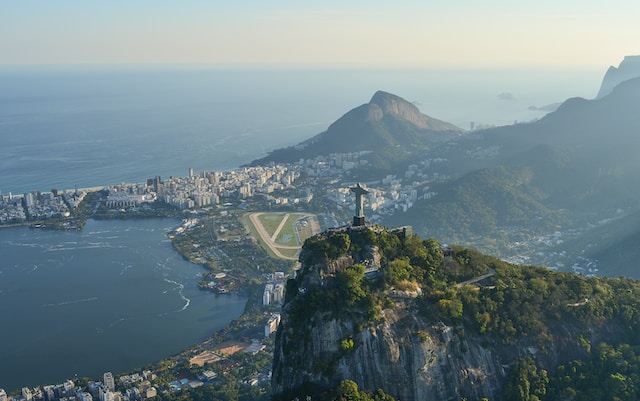

The best startup ecosystems in Latin America and the Caribbean in 2026 show where startup activity, investment, innovation, and ecosystem support are strongest across the region. Based on the StartupBlink Global Startup Ecosystem Index 2026, this ranking highlights the region’s leading startup countries and cities, helping founders, investors, and ecosystem builders understand where its strongest startup hubs are located.
Because startup ecosystem strength is not always concentrated in the same way, this article looks at both countries and cities. Country rankings capture national startup ecosystem performance, while city rankings measure the absolute output of individual startup hubs.
In 2026, Brazil is the top startup country in the region and São Paulo is the top startup city. Panama recorded the fastest growth among the region’s top 10 countries, while Medellín grew fastest among the top 10 cities.
Want to see rankings beyond the top 10?
Top Startup Countries in Latin America and the Caribbean in 2026
| LATAM Rank |
Country | Total Score |
Annual Growth |
Global Rank |
Ecosystem Value |
|---|---|---|---|---|---|
| 1— | Brazil | 14.005 | +17.7% | 26▲1 | US$ 137.8B |
| 2— | Colombia | 10.104 | +29.3% | 35▲1 | US$ 29.8B |
| 3— | Chile | 7.972 | +20.0% | 39▼2 | US$ 13.8B |
| 4▲1 | Argentina | 6.051 | +12.2% | 46— | US$ 15.1B |
| 5▼1 | Mexico | 5.845 | -2.9% | 47▼4 | US$ 45.2B |
| 6— | Uruguay | 3.044 | +21.5% | 60▲1 | US$ 3.4B |
| 7— | Peru | 1.398 | +8.6% | 72▼5 | US$ 1.6B |
| 8— | Costa Rica | 1.337 | +25.6% | 76▼3 | US$ 814.9M |
| 9— | Panama | 1.185 | +61.1% | 78▲8 | US$ 335.9M |
| 10NEW | El Salvador | 1.159 | n.a. | 80NEW | US$ 1.5B |
Brazil remains the region’s leading startup country, with a total score nearly 40% higher than second-placed Colombia‘s and more than 1.7 times third-placed Chile‘s. All three countries hold their regional positions from last year.
The main movement came in fourth and fifth. Argentina overtook Mexico to take fourth place, ranking above it for the first time since 2020. Mexico was the only country in the regional top 10 to record negative growth, at -2.9%.
Colombia grew fastest among the region’s top five at +29.3%, closing from roughly two-thirds of Brazil’s score to nearly three-quarters in a single year. Further down the table, Panama grew fastest in the top 10 at +61.1% and climbed eight global places.
Latin America and the Caribbean grew 14.9% in 2026, above the global average. The region holds an estimated US$253.3B in ecosystem value, with Brazil accounting for more than half of it.
South America holds six of the regional top 10 country positions, including the entire top four. Central America accounts for the other four, led by Mexico, while Panama records the subregion’s strongest growth and El Salvador enters the Index at 80th globally. Jamaica remains the leading Caribbean ecosystem, ranking just outside the top 10.
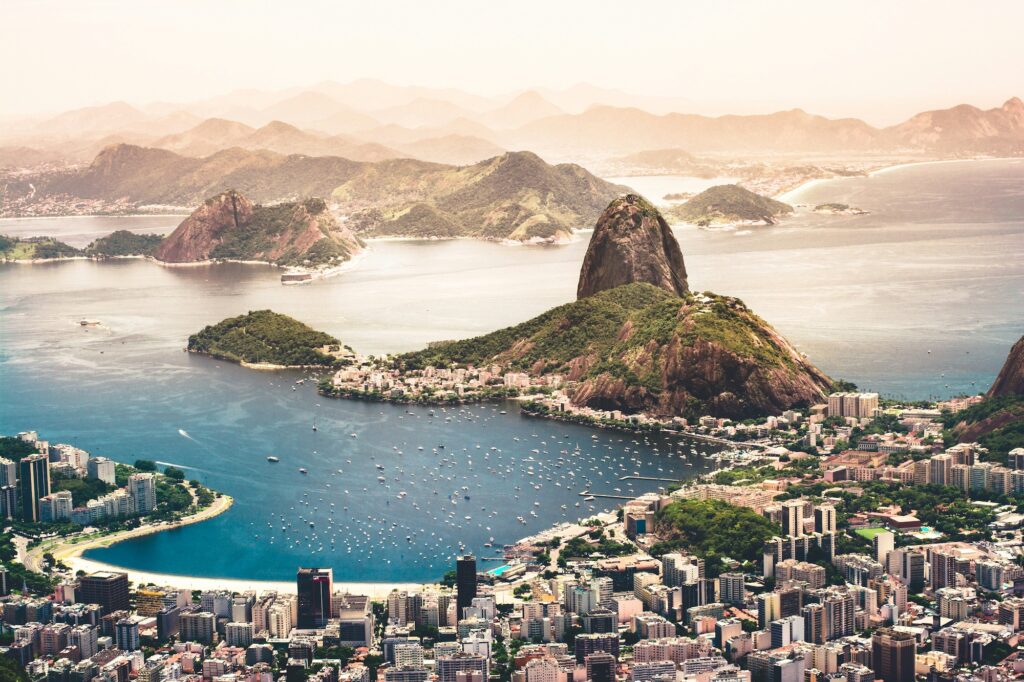
Top 10 Startup Countries in Latin America and the Caribbean in 2026
1. Brazil
Latin America rank: 1 • Global rank: 26 (▲1) • Total score: 14.005 • Annual growth: +17.7%
Brazil leads the region by a wide margin and rises one place globally to 26th. Its total score roughly equals the combined scores of third-placed Chile and fourth-placed Argentina, and its estimated ecosystem value of US$137.8B is more than triple that of any other country in the region. Brazil also has the region’s broadest network of ranked cities, with 32 in the global top 1,000, more than the next two countries combined. Five of the region’s top 10 cities are Brazilian. São Paulo captures 52.6% of Brazil’s startup activity, yet the country’s startup output extends well beyond its leading city.
2. Colombia
Latin America rank: 2 • Global rank: 35 (▲1) • Total score: 10.104 • Annual growth: +29.3%
Colombia rises one place to 35th, continuing a climb from 47th in 2021, and grew faster than any country in the region’s top five at +29.3%. Growth is also spreading beyond the capital. Bogotá‘s share of national startup activity fell from 59.5% to 52.3%, with Medellín posting the fastest growth rate in the regional top 10. Cali, Colombia’s third-ranked city, grew by over 100% in 2026, the fastest in the regional top 20. Colombia and Brazil are the only countries in the region with two cities in the top 10.
3. Chile
Latin America rank: 3 • Global rank: 39 (▼2) • Total score: 7.972 • Annual growth: +20.0%
Chile holds third place in the region off of 20% ecosystem growth, but drops two global positions to 39th, with other countries in its peer group growing even faster. Chile is also among the region’s most centralized ecosystems, with Santiago responsible for 93.8% of national startup activity. Its estimated ecosystem value of US$13.8B is the smallest in the regional top five.
4. Argentina
Latin America rank: 4 (▲1) • Global rank: 46 • Total score: 6.051 • Annual growth: +12.2%
Argentina moves up to fourth, ranking above Mexico for the first time since 2020. It grew 12.2% and held its global position at 46th. With five cities in the global top 1,000, Argentina is led by Buenos Aires at 71.4% of national startup activity, followed by Cordoba at 19.0%.
5. Mexico
Latin America rank: 5 (▼1) • Global rank: 47 (▼4) • Total score: 5.845 • Annual growth: -2.9%
Mexico dropped one position to 5th, declined 2.9%, and fell four places globally to 47th. Its scale tells a different story. Mexico’s estimated ecosystem value of US$45.2B is the region’s second largest, three times Argentina’s, which now ranks above it. Mexico remains the leading ecosystem in Central America and still places three cities in the regional top 20.
6. Uruguay
Latin America rank: 6 • Global rank: 60 (▲1) • Total score: 3.044 • Annual growth: +21.5%
Uruguay rises one place to 60th and grew 21.5%, a strong reversal from its -3.7% decline last year. Montevideo is Uruguay’s only city in the global top 1,000 and accounts for all of its ranked startup activity. The city grew 30.2%, one of the strongest rates among the region’s leading hubs.
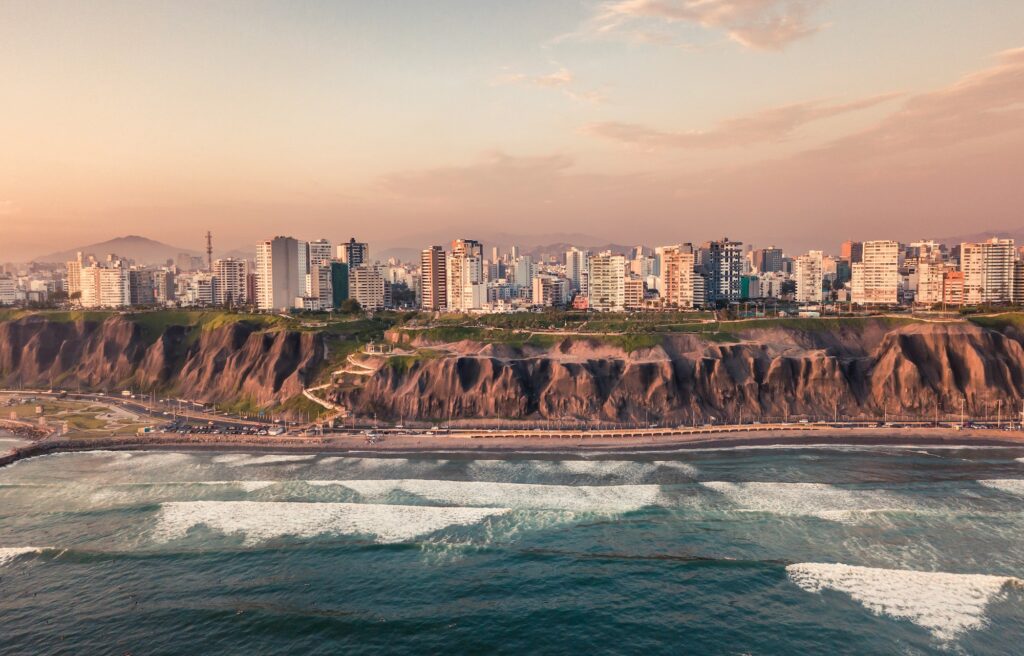
7. Peru
Latin America rank: 7 • Global rank: 72 (▼5) • Total score: 1.398 • Annual growth: +8.6%
Peru holds seventh place in the region for another year but falls five global positions to 72nd. Its 8.6% growth is the slowest in the regional top 10 apart from Mexico’s decline. Lima is Peru’s only city in the global top 1,000 and accounts for 94.3% of national startup activity, so the country’s position moves almost entirely with its capital.
8. Costa Rica
Latin America rank: 8 • Global rank: 76 (▼3) • Total score: 1.337 • Annual growth: +25.6%
Costa Rica holds eighth place in the region and second in Central America behind Mexico. It grew 25.6%, the third-fastest rate in the regional top 10, though it still slipped three global places. Its score now sits within 5% of Peru’s, and with Costa Rica growing nearly three times as fast, seventh place in the region is within reach next year.
9. Panama
Latin America rank: 9 • Global rank: 78 (▲8) • Total score: 1.185 • Annual growth: +61.1%
Panama grew 61.1%, the fastest rate in the region’s top 10, and climbed eight global places to 78th. This follows a -10.3% decline in 2025 and represents the strongest country-level turnaround in the region. Its score now sits within about 13% of Costa Rica’s, making eighth and ninth one of the closer contests in the lower half of the table.
10. El Salvador
Latin America rank: 10 • Global rank: 80 (new) • Total score: 1.159
El Salvador enters the Index at 80th, the highest-ranked debut of 2026, and takes tenth place in the region in its first year. San Salvador ranks 297th globally with 26.1% growth and is the highest-ranked non-Mexican city in Central America. Its estimated ecosystem value of US$1.5B exceeds the combined value of Costa Rica and Panama, which both rank above it.
Just Outside the Country Top 10: Jamaica
Latin America rank: 11 • Global rank: 91 (▼4) • Total score: 0.876 • Annual growth: +23.3%
Jamaica is the top-ranked startup country in the Caribbean and sits 11th in the wider regional ranking. It grew 23.3% but still fell four global places to 91st, showing how much growth is now needed simply to hold position in this part of the global table.
Want to see where every country ranks?
Top Startup Cities in Latin America and the Caribbean in 2026
| LATAM Rank |
City | Total Score |
Annual Growth |
Global Rank |
|---|---|---|---|---|
| 1— | São PauloBrazil | 44.419 | +4.9% | 24▼1 |
| 2— | Mexico CityMexico | 15.032 | -5.3% | 63▼5 |
| 3— | BogotáColombia | 14.929 | +9.2% | 64▼2 |
| 4— | SantiagoChile | 13.296 | +17.6% | 72▲3 |
| 5— | Buenos AiresArgentina | 11.252 | +1.1% | 86▼9 |
| 6— | MedellínColombia | 7.218 | +31.1% | 130▲15 |
| 7— | Rio de JaneiroBrazil | 6.586 | +19.8% | 138▲9 |
| 8— | CuritibaBrazil | 6.043 | +10.5% | 146▲3 |
| 9— | Belo HorizonteBrazil | 5.539 | +14.7% | 157▲3 |
| 10▲2 | Porto AlegreBrazil | 3.814 | +27.1% | 196▲7 |
São Paulo remains the region’s leading startup city with a total score nearly three times Mexico City‘s. It accounts for more than a third of the combined score of the regional top 10 on its own.
The top 10 was almost unchanged. Nine cities held their exact regional positions, and the sole movement came at the bottom, where Porto Alegre climbed two places to tenth, passing Lima and Monterrey.
South America is even more predominant at city level, accounting for nine of the regional top 10. Mexico City is the only Central American city in the group.
The score gaps are tighter than the positions suggest. Bogotá now trails Mexico City by less than a percentage point. Medellín grew fastest in the top 10 at +31.1%, while Santiago led the top five in ecosystem growth rate. The Index names Santiago, Medellín, Rio de Janeiro, and Montevideo as the four cities driving the region’s 14.9% growth.

1. São Paulo, Brazil
Latin America rank: 1 • Global rank: 24 (▼1) • Total score: 44.419 • Annual growth: +4.9%
São Paulo is the region’s clear leading startup city, with a total score nearly 3 times that of Mexico City, the largest gap between any two neighboring cities in the regional top 10. Its 4.9% growth is among the slowest in the leading group, and it slipped one global place to 24th. Even so, its regional lead widened, because Mexico City declined. São Paulo’s scale is also what anchors Brazil’s position as the region’s top-ranked country.
2. Mexico City, Mexico
Latin America rank: 2 • Global rank: 63 (▼5) • Total score: 15.032 • Annual growth: -5.3%
Mexico City holds second place in the region but recorded -5.3% growth and fell five global positions to 63rd. It remains Mexico’s dominant hub, responsible for 57.1% of national startup activity and scoring four times higher than Monterrey. Its lead over Bogotá, however, has almost disappeared, with a fraction of a point now separating the two.
3. Bogotá, Colombia
Latin America rank: 3 • Global rank: 64 (▼2) • Total score: 14.929 • Annual growth: +9.2%
Bogotá grew 9.2% and now sits less than a percentage point behind Mexico City, compared to a gap of 13.8% last year. Second place in the region is within reach. It is also Colombia’s only city in the global top 50 for any industry, ranking 45th in Transportation, 48th in Foodtech, and 29th in Logistics.
4. Santiago, Chile
Latin America rank: 4 • Global rank: 72 (▲3) • Total score: 13.296 • Annual growth: +17.6%
Santiago grew 17.6%, the highest among the region’s top five, and was the only city in that group to rise globally, climbing three places to 72nd. The city accounts for 93.8% of Chile’s ranked-city startup activity, making Chile one of the region’s most concentrated ecosystems.
5. Buenos Aires, Argentina
Latin America rank: 5 • Global rank: 86 (▼9) • Total score: 11.252 • Annual growth: +1.1%
Buenos Aires grew 1.1%, the slowest ecosystem growth rate in the regional top 10, and fell nine global places to 86th, the steepest decline in the group. Its regional position remains secure for now, with a score 56% higher than Medellín’s below it. But its global slide contrasts with Argentina’s steadier country-level performance, where the national score grew 12.2%.
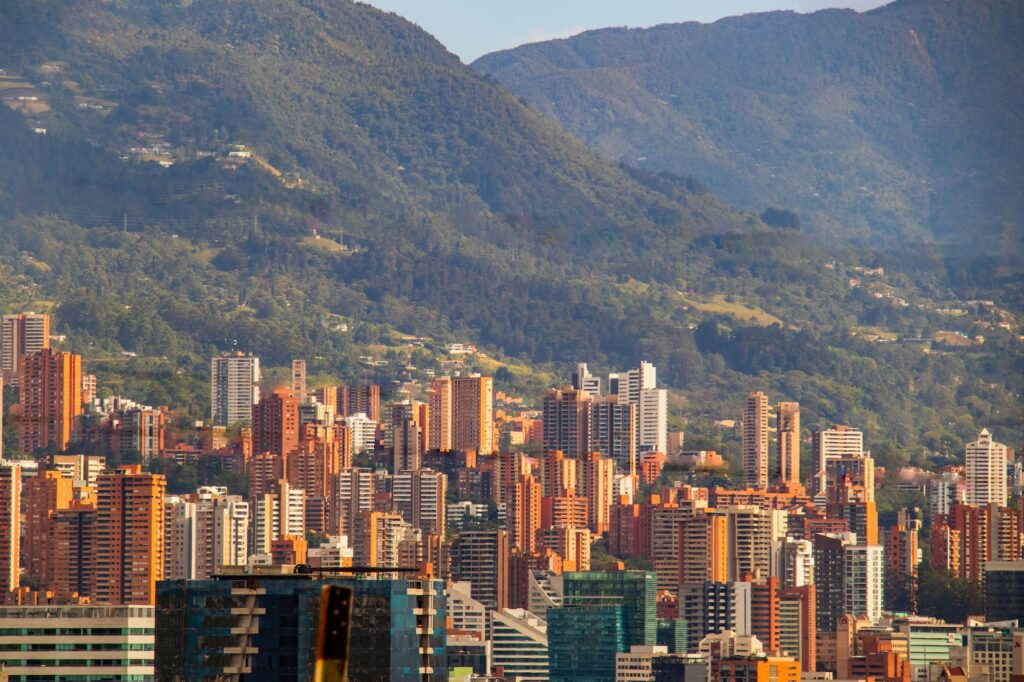
6. Medellín, Colombia
Latin America rank: 6 • Global rank: 130 (▲15) • Total score: 7.218 • Annual growth: +31.1%
Medellín grew 31.1%, the fastest rate in the regional top 10, and climbed 15 global places to 130th, its highest position to date. It has risen 75 places since 2022, recording four consecutive years of gains. The city now accounts for a quarter of Colombia’s startup activity, giving the country a strong second hub rather than a distant follower to Bogotá.
7. Rio de Janeiro, Brazil
Latin America rank: 7 • Global rank: 138 (▲9) • Total score: 6.586 • Annual growth: +19.8%
Rio de Janeiro grew 19.8% and rose nine global places to 138th, the second-fastest rate among Brazil’s cities in the regional top 10. Its score remains well behind São Paulo’s, reflecting São Paulo’s exceptional size rather than any weakness in Rio.
8. Curitiba, Brazil
Latin America rank: 8 • Global rank: 146 (▲3) • Total score: 6.043 • Annual growth: +10.5%
Curitiba grew 10.5% and rose three places globally to 146th while holding eighth place in the region for another year. Its score is within 9% of Rio de Janeiro’s above it and 9% ahead of Belo Horizonte‘s below, placing it in the tightest cluster in the regional top 10.
9. Belo Horizonte, Brazil
Latin America rank: 9 • Global rank: 157 (▲3) • Total score: 5.539 • Annual growth: +14.7%
Belo Horizonte grew 14.7% and rose three global places to 157th, keeping ninth place in the region. Its score is 45% higher than 10th ranked Porto Alegre, the widest gap in the bottom half of the top 10.
10. Porto Alegre, Brazil
Latin America rank: 10 (▲2) • Global rank: 196 (▲7) • Total score: 3.814 • Annual growth: +27.1%
Porto Alegre is the sole city to change position within the region’s top 10, climbing two places to tenth and rising seven global places to 196th. Its 27.1% growth is the second fastest in the top 10 behind Medellín. Its entry gives Brazil five cities in the top 10 group.
Notable Cities Beyond the Top 10
Lima, Peru
Latin America rank: 11 (▼1) • Global rank: 197 (▼15) • Total score: 3.788 • Annual growth: +5.0%
Lima drops out of the regional top 10 after Porto Alegre overtook it, and falls 15 global places to 197th. It misses the top 10 by less than a percentage point, a gap created by Porto Alegre’s 27.1% growth rather than by any contraction in Lima. Lima remains Peru’s clear anchor hub. Its 5.0% growth was simply outpaced by the cities around it.
Cali, Colombia
Latin America rank: 13 (▲4) • Global rank: 212 (▲65) • Total score: 3.449 • Annual growth: +104.3%
Cali grew 104.3%, the only triple-digit rate in the region’s top 20. It climbed 65 global places to 212th and four regional places to 13th, the largest move of any city in the region. Cali’s rise gives Colombia three cities in the regional top 20.and has risen more than 50 places since entering the Index in 2021.
How Startup Ecosystems in Latin America and the Caribbean Are Ranked
The Global Startup Ecosystem Index ranks 120 countries and more than 1,500 cities using measurable data on startup activity, outcomes, investment, exits, unicorns, business conditions, and related indicators.
Each total score combines three broad areas: Quantity, Quality, and Business Environment. Ecosystem value, shown for the region’s largest countries in this article, estimates the combined value of a country’s startups and adds another lens alongside rank and annual growth.
Country and city rankings answer different questions. Country rankings capture overall national startup ecosystem performance, while city rankings measure the absolute startup output of individual startup hubs. They also use different algorithms, so a country’s rank and the rank of its leading city should be read separately rather than mapped directly onto one another.
One useful lens is ecosystem structure. Some ecosystems in the region are highly concentrated around one dominant hub, as seen in Chile, Peru, and Uruguay. Others are more distributed across several cities, as in Brazil and Colombia, the only two countries with multiple cities in the regional top 10. This structure helps explain why two countries with similar scores can have very different startup ecosystem dynamics.
Conclusion
Brazil and São Paulo remain the top startup ecosystems in Latin America and the Caribbean in 2026 by wide margins. Below them, the ranking is more dynamic: Colombia continues to close on Brazil, Argentina moves above Mexico for the first time since 2020, and Panama records the fastest growth in the country top 10.
At city level, São Paulo’s lead remains unmatched, while Medellín provides the strongest momentum story in the regional top 10 and Bogotá moves within a fraction of a point of second place.
Overall, the 2026 results show a region where South America continues to dominate the leading ranks, led by Brazil and Colombia. Central America is less represented at the top but produces two of the year’s clearest changes: Panama’s 61.1% growth and El Salvador’s debut at 80th globally. Jamaica remains the leading Caribbean ecosystem.
Want to explore the complete ranking?